
Review · DRESDEN
Dresden with a touch of Xmas: English small group tour
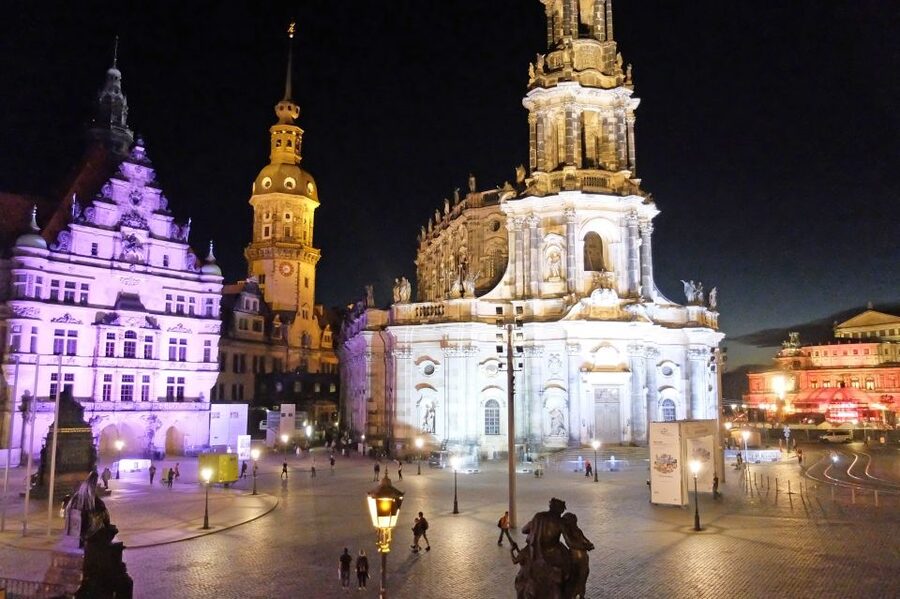
Dresden’s Christmas charm works best when you understand what you are seeing. This two-hour walk links the city’s grand baroque squares with its painful wartime past, then finishes at Striezelmarkt, one of Germany’s oldest Christmas markets. Along the way, you will see the Zwinger, the Royal Palace courtyard, the porcelain Fürstenzug, and the Frauenkirche.
I like the route for two clear reasons: it gives you Dresden’s story in a compact walk, and it includes several smaller markets before ending at the biggest one. Guides such as Doris and Laura Park are praised for clear English, humor, patient answers, and the ability to adjust the route. The tradeoff is simple: sights are viewed from outside, and cold weather, cobbles, and possible snow can make the walk tiring.
Key points to know before booking
- Striezelmarkt is the finale: You can remain at the market after the guided portion and follow tips for Glühwein, local food, and wine.
- The route covers Dresden’s major old-town sights: Schlossplatz, Theaterplatz, the Zwinger, the Royal Palace, the Catholic Cathedral, Fürstenzug, Neumarkt, and Frauenkirche.
- The history is not sugar-coated: Your guide explains the city’s destruction in the Second World War and its careful rebuilding afterward.
- The medieval market may be a smart early stop: One guide rerouted the walk so the group could see it before an admission fee began later in the day.
- This is an outdoor sightseeing walk: There are no included entry tickets, food, drinks, or transportation.
- Winter shoes matter: Dresden’s historic center has cobbled streets that may become slippery in snow.
Why Dresden makes a strong Christmas walking tour

Dresden is often called the Florence on the Elbe, a nickname tied to its art, architecture, and position beside the river. That comparison can sound grand until you reach the old center, where a small area holds an opera house, a royal palace, a monumental church, a baroque court complex, and long processional streets.
At Christmas, the city adds lights, stalls, decorations, and the smell of spiced wine. Yet this is not just a market visit with a few buildings along the way. The route gives you a useful frame for understanding how Dresden changed from a fishing village and trading post into a cultural capital.
I especially like the way the walk moves through several periods instead of treating Dresden as one frozen baroque scene. You hear about the medieval city, Renaissance court life, Augustan spectacle, religious conflict, the Second World War, and postwar rebuilding. In two hours, that is a lot of ground, but the compact center makes the plan workable.
The tour is led in English by a local, licensed guide from See My Dresden. Doris and Laura Park are among the guides associated with the experience. You can expect a guide who is ready to answer questions rather than simply recite dates. Laura, in particular, is noted for shaping the route around the group and connecting parts of Dresden’s story to participants’ interests.
More Christmas Tours in Germany:
- Cologne: Rhine River Winter Cruise with Festive Music
★ 4.3 · 676 reviews - Dresden: Advent Tour with Stollen Tasting and Mulled Wine
★ 4.4 · 140 reviews - Christmas Markets Food Tour in Munich
★ 4.5 · 110 reviews
Starting at Schlossplatz beside the Elbe
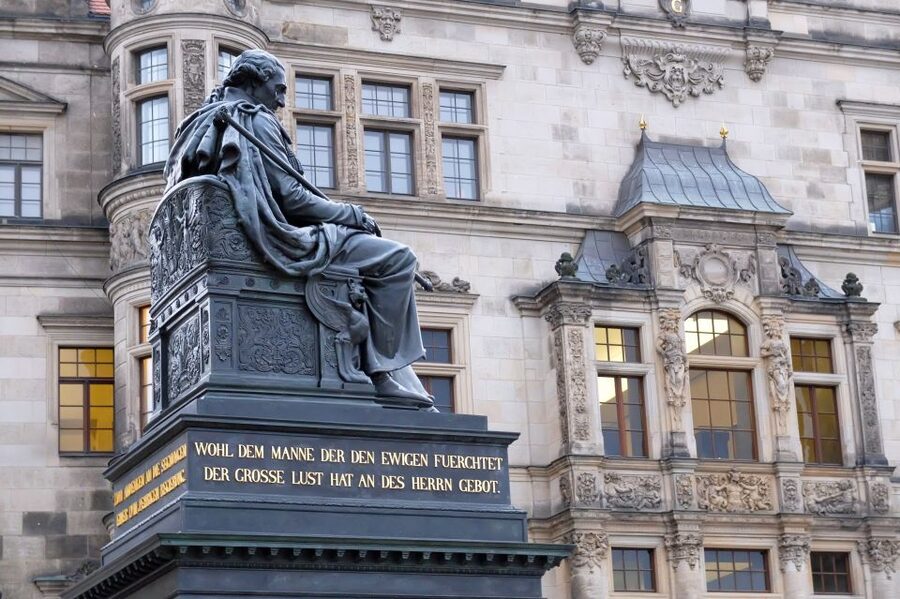
The meeting point is at the base of the statue of Friedrich August I on Schlossplatz, near the Elbe and the foot of Augustus Bridge. On Google Maps, it appears as Denkmal Friedrich August dem Gerechten. Arrive about 10 minutes early. Guides usually come shortly before the start, and the walk cannot wait for late arrivals.
This is a sensible starting point. Schlossplatz places you beside the river, close to the historic core, and near several buildings that explain Dresden’s political and religious past. It also gives your guide room to set the scene before the streets become more crowded.
You should not expect a long stop inside a museum or palace here. The experience is built around exterior views and outdoor explanation. That keeps the price low and the route moving, but anyone hoping for interior visits needs to plan those separately.
Theaterplatz and Dresden’s grand public face
From Schlossplatz, the route winds toward Theaterplatz, one of Dresden’s most impressive open spaces. The square is surrounded by major buildings, including one of Europe’s beautiful opera houses. Your guide explains how these buildings fit into the city’s rise as a court and cultural center.
The value here is not only architectural. A good guide can show you how Dresden’s public spaces were designed to project power. You see the grand scale first, then learn why the rulers of Saxony invested so heavily in art, ceremony, architecture, and collecting.
This is also where a guide’s storytelling matters. The route has plenty of impressive facades, but a list of names would grow dull quickly. The strongest guides use the buildings to explain the people, ambitions, parties, and changes behind them. The feedback on Doris and Laura points to that sort of approach, with humor, clear English, and room for questions.
The Zwinger: baroque spectacle without a museum ticket
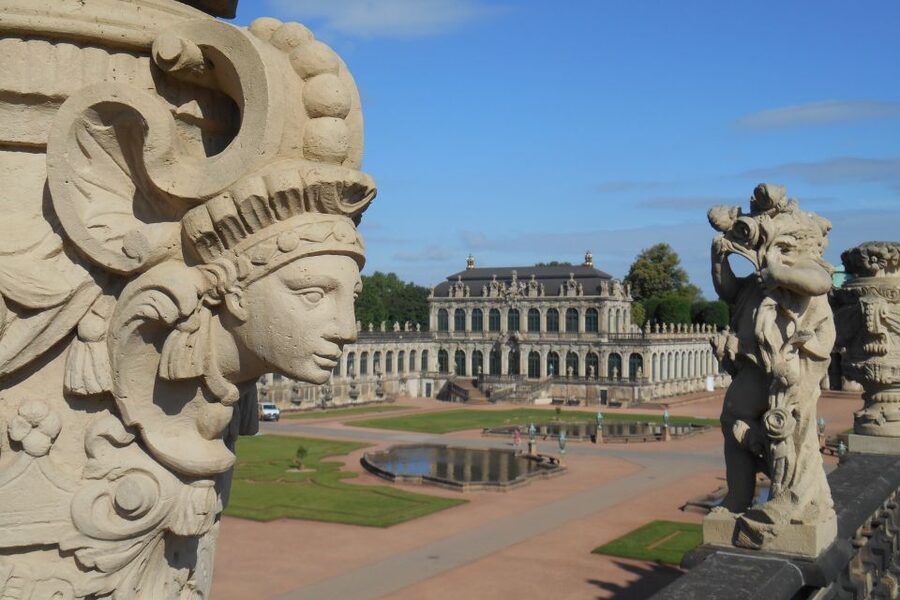
The walk continues into the Zwinger, Dresden’s famous baroque complex. You explore its public areas, courtyards, pavilions, and decorative details from outside. The guide also discusses the parties held here, which helps the place make sense as more than an ornate collection of walls and gardens.
The Zwinger is one of the tour’s best stops for visitors who want architecture but do not have time for a full museum visit. You can see the theatrical design and hear how the court used the space for display and entertainment without paying an entry fee.
There is a limitation. The tour does not include access to the collections housed in Dresden’s museums. If you want the Old Masters, porcelain, scientific instruments, or other interiors, you will need a separate visit and ticket. Think of this walk as an introduction that helps you decide where to spend more time later.
Same season, another way to celebrate it:
- Original Munich Christmas Market Tour with Festive Wine and Food
★ 5.0 · 85 reviews - Freiburg: Christmas Drag Show Walk with Betty BBQ
★ 4.6 · 55 reviews - Private Christmas Tour in Münster including Glühwein
★ 4.9 · 54 reviews - Munich Christmas Market Food Tour with Tastings
★ 5.0 · 54 reviews
Royal Palace courtyards and Renaissance decoration
If the Royal Palace is open, the guide takes you through its large courtyard. A particularly unusual detail is the use of sgraffito, a Renaissance technique in which layers of plaster are scratched to reveal contrasting surfaces below. Frescoes add more decoration.
The phrase if the Royal Palace is open matters. Entry is not guaranteed, and the itinerary is primarily an outside sightseeing experience. Still, even a quick look at the courtyard can add an architectural detail you might miss while walking alone.
This stop also helps balance the baroque Zwinger. Dresden’s image is strongly tied to the eighteenth century, but the Royal Palace brings earlier Renaissance influences into view. You see how the city’s rulers kept adding new styles rather than building everything at once.
The Catholic Cathedral and the Fürstenzug
The route continues around Dresden’s Catholic Cathedral, a building that reflects the city’s complicated religious story. Your guide connects the cathedral to the wider changes in Dresden and Saxony, rather than presenting it as an isolated church facade.
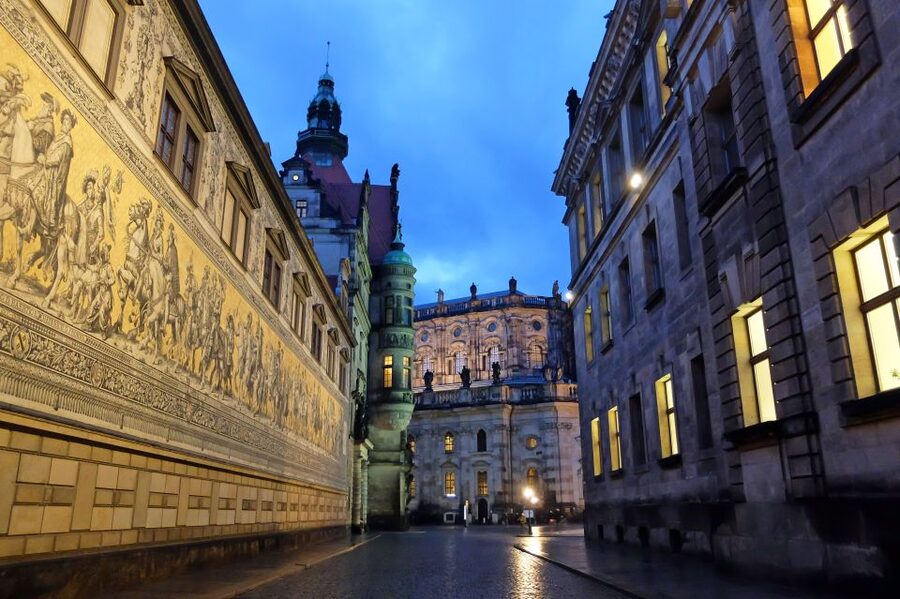
Then comes the Fürstenzug, a 100-meter-long procession made from handmade porcelain. It shows the rulers of Saxony in a format that is easy to appreciate on foot: long, detailed, and set directly along the street. This is one of those Dresden sights that can seem decorative until you know what it represents.
The Fürstenzug is also a good example of why the guided format earns its modest fee. You can see the figures without help, but you may not understand the sequence, purpose, or material. A guide gives you the basic story while allowing time to examine the work at street level.
Neumarkt, Frauenkirche, and the difficult wartime story
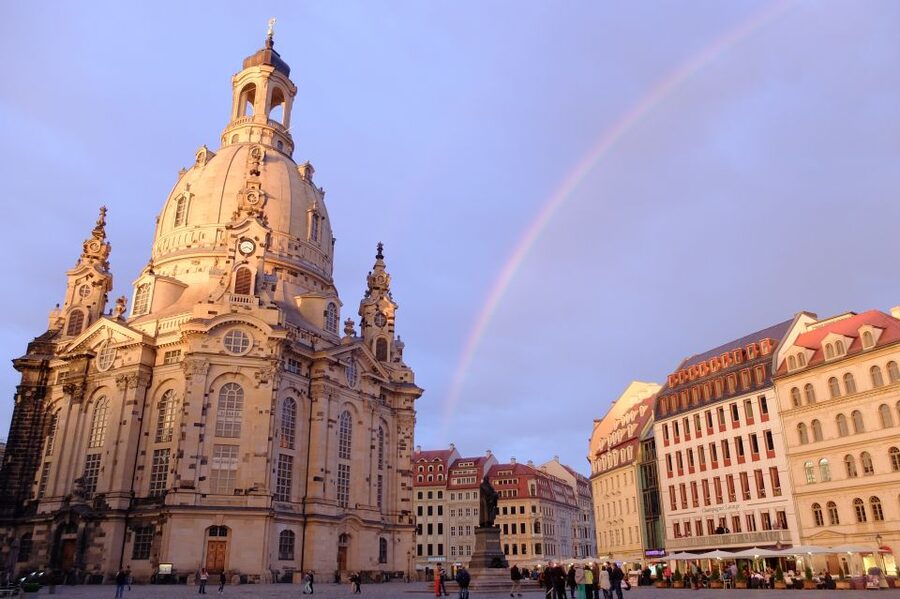
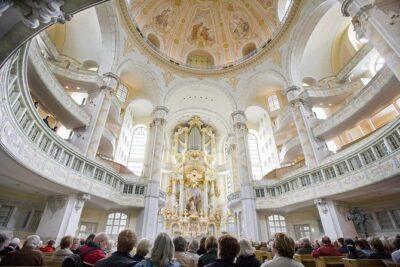
At Neumarkt, the tour reaches the Frauenkirche, Dresden’s most recognizable church. The square is also home to a small Christmas market, giving you an early taste of the seasonal atmosphere before the final market stop.
The emotional center of the tour is Dresden’s experience during the Second World War. Your guide discusses the fire-bombing, the fate of the city’s people, the destruction of the center, and the work of rebuilding afterward. This context matters because Dresden’s restored appearance can otherwise make the city seem untouched.
The rebuilt Frauenkirche carries particular weight within that story. The walk does not turn into a museum lecture, but it gives you enough background to understand why the restored old town feels both beautiful and complicated. Dresden is not simply a postcard of baroque buildings. It is also a city that had to decide how to recover, what to rebuild, and how to live with the memory of destruction.
Some of the most useful feedback about the guides concerns this balance. The strongest guides make serious subjects understandable without losing warmth. They also handle questions well, which is important when discussing wartime Dresden, a subject that deserves care rather than quick slogans.
A quick look at the medieval Christmas market
Along the route, you also get a look at the medieval-themed Christmas market in the Royal Stables. This is a smaller and more distinct stop than the main market, and it adds variety to the walk.
Timing can matter here. Laura Park adjusted the route so the group could see the medieval market before a five-euro admission charge began later in the day. That detail shows why a live guide can be useful during Advent, when opening times, entry fees, and market arrangements may change.
Still, do not book this tour solely for guaranteed market entry. The included visit is a guided look at a Christmas market, not a package of admission tickets or tasting vouchers. Any food, drink, or entrance charge is yours to pay.
Finishing at Striezelmarkt
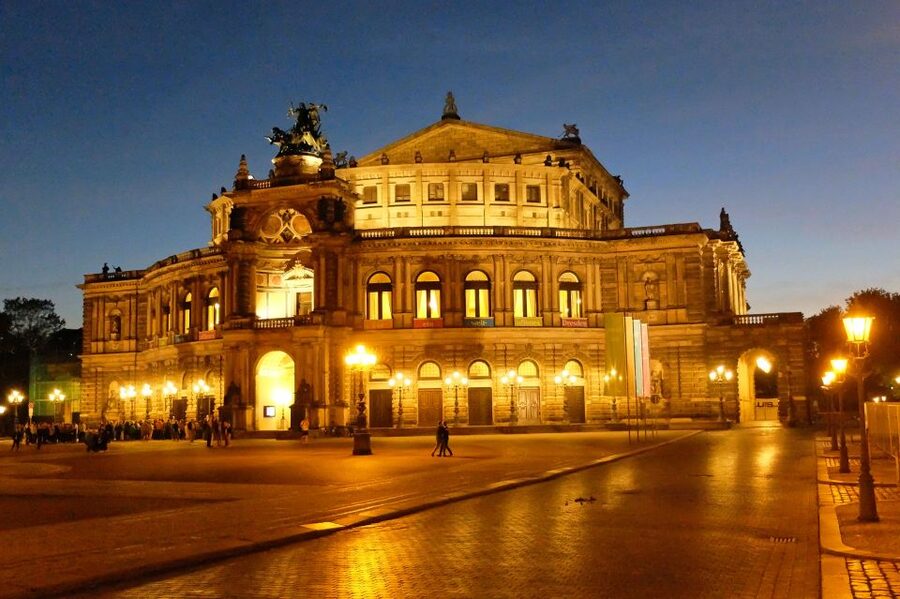
The walk is designed to finish at Striezelmarkt, described as one of Germany’s oldest Christmas markets. It is also presented as one of Dresden’s most charming, which is easy to understand after you have spent the previous two hours learning how the city developed.
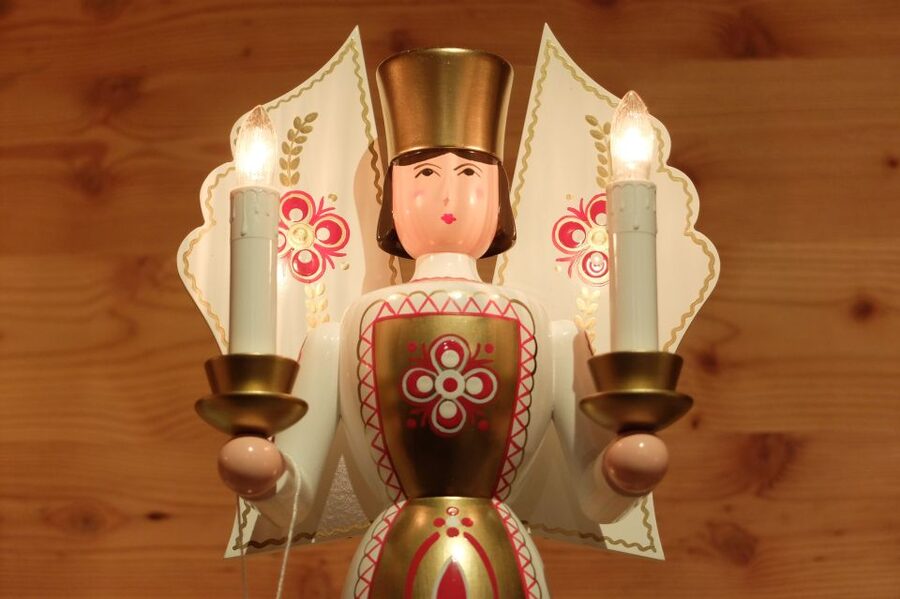
The market is where the tour shifts from explanation to personal wandering. Your guide points you toward Glühwein, local delicacies, and regional wine, but the cost of these treats is not included. You can stay after the guided portion and explore at your own speed.
That ending is a strong part of the plan. You do not have to rush away from the market as soon as the tour ends, and you finish with practical information you can use immediately. If you have only one Advent evening in Dresden, this format lets you combine orientation, architecture, history, and a market visit.
One practical note deserves attention: the description says the walk ends at Striezelmarkt, while the logistical details also say the activity ends back at the meeting point. Confirm the exact end arrangement when you book, especially if you have a train, restaurant reservation, or hotel transfer afterward.
What the $25 price really gives you
At $25 per person, this is a good-value orientation walk if you want context rather than entry tickets. The fee pays for a two-hour English tour with a local licensed guide, a carefully arranged route, and market tips. It does not cover museums, palace interiors, transportation, food, or drinks.
You are paying for interpretation. Dresden’s old center is easy to walk through, but less easy to understand. A guide can explain why a palace courtyard looks the way it does, how the city’s religious story changed, and why restored buildings carry such weight after wartime destruction.
The value drops if you want a private tour, a long stop inside every monument, or a food tasting. It rises if you are new to Dresden and want a strong first orientation before exploring the city independently.
Winter comfort, pace, and group considerations
Wear warm clothing and comfortable shoes with good grip. The streets are cobbled, and snow or ice can make them slippery. The tour operates in all weather when bookings have been accepted, so do not assume that rain, cold, or light snow will cancel it.
The two-hour length is manageable, but winter walking is not the same as a summer stroll. You may be standing still while the guide explains a building, then moving across exposed squares. Bring enough warmth for pauses, not only for walking.
One point to watch is audibility. A participant found it occasionally hard to hear the guide when she turned away from part of the group. You can reduce that problem by staying near the guide and positioning yourself where you can see the guide’s face. This is a normal issue on an outdoor city walk, but it matters if hearing every detail is important to you.
Who will get the most from this tour
I would choose this for a first visit to Dresden, especially during Advent. It gives you a map of the historic center, introduces the main monuments, and leaves you at a market where you can continue alone.
It also suits anyone who prefers stories to silent sightseeing. The guides are prepared to answer historical questions, and the route moves across several eras instead of focusing only on Christmas decorations.
Families and mixed-interest groups may like the balance of architecture, local customs, markets, and personal stories. Art lovers should note that the tour does not include museum entry, while visitors with limited walking ability should consider the cobbles and winter conditions before booking.
Cancellation is flexible up to 24 hours before the start for a full refund, and you can reserve now and pay later. Check the available start times, since the market route and any admission timing may affect which departure works best.
Should you book the Dresden Christmas walking tour?
Book it if you want a short, affordable introduction to Dresden that ends with time for Glühwein and market browsing. The best reasons are the route through the Zwinger, Royal Palace area, Fürstenzug, Neumarkt, and Frauenkirche, plus the honest treatment of wartime destruction and rebuilding.
Skip it if your priority is going inside museums, sampling included food, or taking a private tour at your own pace. You will see the major sights from outside, and winter conditions require sensible clothing.
For most first-time visitors in December, I would book it early in the trip. Listen closely, ask questions, note the guide’s food and wine tips, and stay at Striezelmarkt afterward. That combination gives you both the city’s big story and a pleasant evening on your own terms.
FAQ
How long does the Dresden Christmas tour last?
The tour lasts two hours. Starting times vary, so check availability when booking.
What language is the tour conducted in?
The live tour is conducted in English.
Where does the tour start?
It starts at the base of the statue of Friedrich August I on Schlossplatz, near the Elbe and the foot of Augustus Bridge. Google Maps lists the location as Denkmal Friedrich August dem Gerechten.
How early should I arrive?
Arrive 10 minutes before the scheduled start so you have time to find the meeting point. The guide cannot wait for late arrivals.
Does the tour include entrance tickets?
No. Sights are viewed from outside, and entry tickets are not included. If the Royal Palace is open, the guide may take the group through its courtyard.
Is food or Glühwein included?
No. Food, drinks, and mulled wine are not included. The guide provides tips about local food, wine, and the best Glühwein.
Does the tour include a Christmas market visit?
Yes. The walk visits several smaller Christmas markets and finishes at Striezelmarkt, described as one of Germany’s oldest.
What should I wear?
Wear warm clothing and comfortable shoes with good grip. Dresden’s streets are cobbled and may become slippery when covered with snow.
Can I cancel the booking?
You can cancel up to 24 hours in advance for a full refund. The reserve-now, pay-later option lets you hold a place without paying immediately.
New this season in Germany
- Christmas mulled wine tour in Münster★ 5.0 · 3 reviews
- Munich Christmas Market Tour★ 4.0 · 9 reviews
- Munich Christmas Market Small Group Tour with Gingerbread Heart★ 4.0 · 9 reviews
- Munich Christmas Markets Private Walking Tour★ 5.0 · 2 reviews
- Private tour of Munich’s most beautiful Christmas markets★ 4.5 · 2 reviews
- Munich Christmas Market Hopping Guided Tour★ 5.0 · 2 reviews
- Heidelberg Christmas Market Tour With A Professional Guide★ 4.0 · 5 reviews
- Kling, mulled wine, klingelingeling – the Christmas city tour with Betty BBQ★ 4.0 · 9 reviews
Dresden Christmas Tours, side by side.
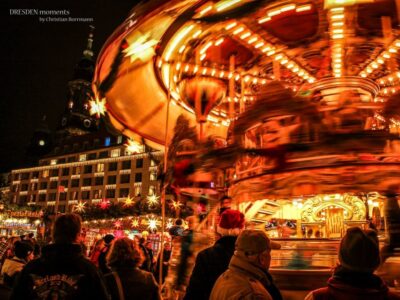
Dresden: Advent Tour with Stollen Tasting and Mulled Wine
Read our review →
Dresden: Festive Christmas Concert in the Zwinger
Read our review →
Dresden: Christmas Sightseeing Tour with a ‘Pflaumentoffel’
Read our review →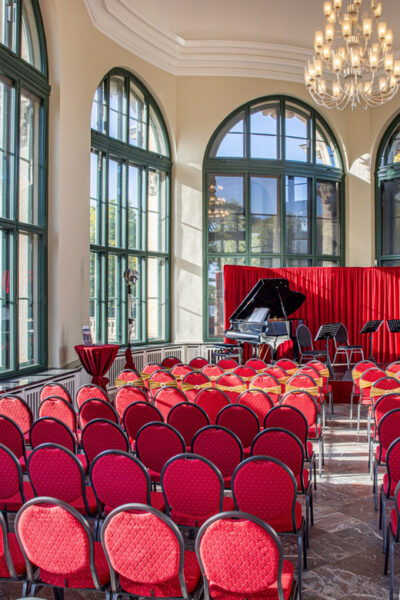

City Tour and Guided Tour in the New Green Vault – Program C – The Festive
Read our review →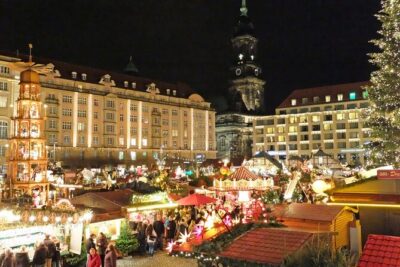
Walking Tour of Historic Dresden with a Christmas Touch. Small group tour.
Read our review →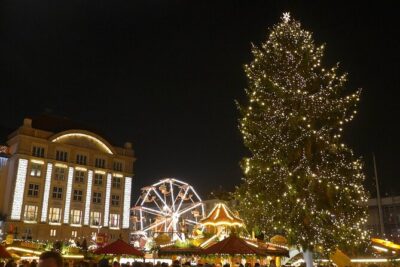
Dresden Private Christmas Market Tour With A Professional Guide
Read our review →This tour also sits in