Review · ROME
Rome: St. Paul’s Within the Walls New Year’s Concert Ticket
Rome’s New Year’s Concert puts you inside St. Paul’s Within the Walls, an atmospheric church where opera voices, orchestra music, and famous waltzes share the same space. The two-hour program moves from The Tales of Hoffmann and Nabucco to La Traviata, Tosca, Carmen, and The Barber of Seville.
I like the broad selection of seating categories, which lets you match the ticket to your budget. I also like the program’s familiar mix of arias, choruses, comic numbers, and orchestral interludes, so you do not need to be an opera expert to enjoy it.
The main caution is the seating. Some positions may not give you a clear view of the performers, even though the church has good acoustics. A few passages may also be hard to hear without amplification, so this is best approached as a musical and architectural evening rather than a perfectly visible stage show.
Key points to know before booking
- Three acts in two hours: The program covers opera arias, duets, choruses, orchestral interludes, and several waltzes.
- Two date choices: You can attend the New Year’s Eve concert or the January 1 concert welcoming 2026.
- A central church setting: St. Paul’s Within the Walls gives the concert a formal, historic setting rather than a standard theater atmosphere.
- Recognizable opera favorites: Expect music from Tosca, La Bohème, Carmen, Don Giovanni, Rigoletto, Nabucco, and more.
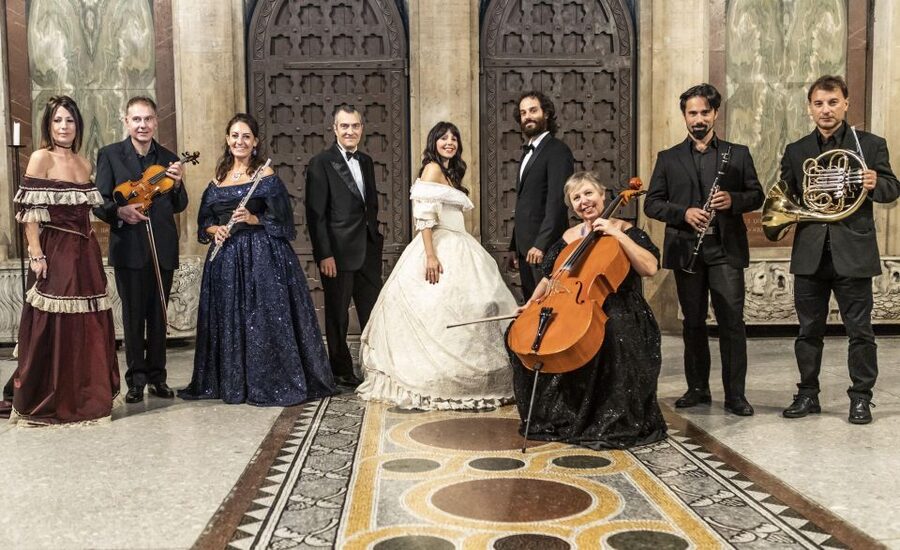
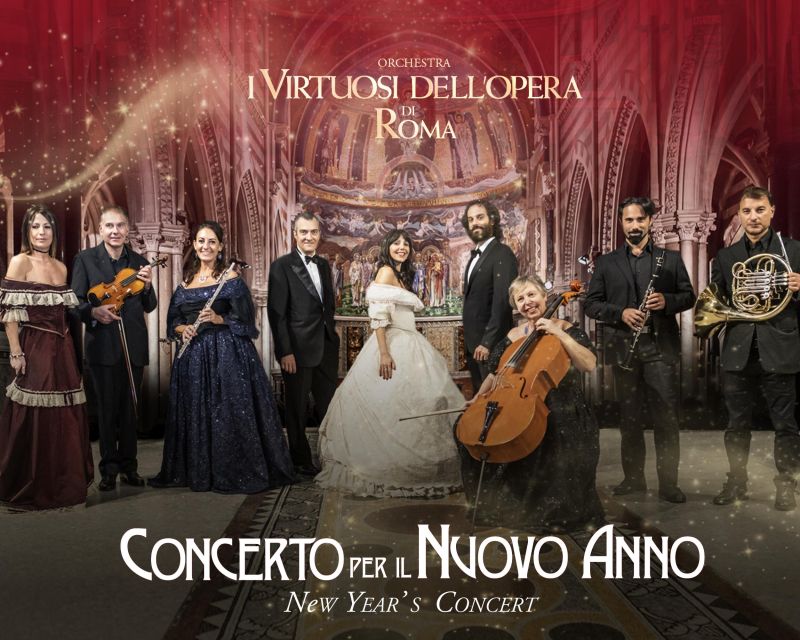
- Named performers and orchestra: Soprano Ms. Testa, tenor Mr. Gentili, baritone Mr. Utzeri, and the Orchestra of I Virtuosi dell’opera di Roma are scheduled to perform.
- Practical tradeoff: The venue is wheelchair accessible, but the view can vary by seat and food and drinks are not included.
Why this concert works for New Year’s in Rome
New Year’s Eve in Rome can become a scramble of crowded streets, late dinners, and uncertain plans. This concert gives you a clear two-hour centerpiece for the evening, with music that feels suitably grand without requiring a full night at the opera.
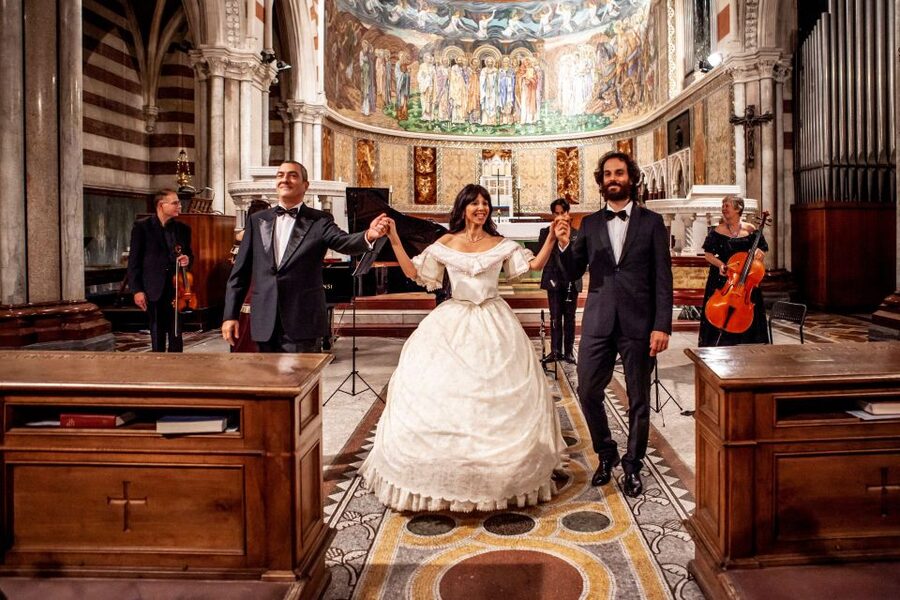
The setting matters. St. Paul’s Within the Walls is a church, not a modern concert hall, so you enter a space with its own visual character before the first note begins. The architecture is part of the occasion. You are not simply sitting in rows facing a stage, although your exact view will depend on the seating category you choose.
I especially like the way the program balances serious opera with lighter pieces. You hear Verdi, Puccini, Mozart, Rossini, Donizetti, Bizet, Offenbach, Mascagni, and Johann Strauss. That gives you big emotional arias, comic character pieces, recognizable choruses, and graceful dance music in one sitting.
The concert is also welcoming to people who know only a few opera titles. La donna è mobile, Libiamo nei lieti calici, Vissi d’arte, and Una furtiva lagrima are the kind of selections that make the evening easy to follow through mood alone. You can appreciate the drama even if you cannot explain every plot.
More Festive Dinners and Shows in Italy:
- Capuchins Crypt: Christmas Baroque Concert
★ 4.8 · 15 reviews - Rome: New Year’s Concert at Palazzo Doria Pamphilj with Tour
★ 4.0 · 3 reviews - Vienna: Christmas & New Year’s Concert in St. Peter’s Church
★ 4.6 · 763 reviews
The church setting and arrival
You must exchange your voucher at the St. Paul’s Within the Walls ticket counter before the concert begins. Build in enough time for this step. The ticket itself is included, but the voucher exchange is still required, so do not treat the voucher as your final admission document.
The meeting point is also the ending point. The activity lasts about two hours and does not include a separate meal, reception, or sightseeing walk. That makes it simple to fit into a larger Rome plan, but you need to arrange your own food before or after the performance.
The church is wheelchair accessible, which is useful when choosing a cultural event in an older building. Still, accessibility and visibility are different matters. A seat can be accessible without giving you the best sightline, so check the available seating categories carefully rather than assuming the most expensive ticket is automatically the right choice for you.
The host or greeter speaks Italian, and the activity language is Italian. The music itself crosses language barriers, but any spoken introductions or practical announcements may be in Italian. If that matters to you, keep it in mind when comparing this concert with a more formal international tour.
Act One: famous openings and familiar choruses
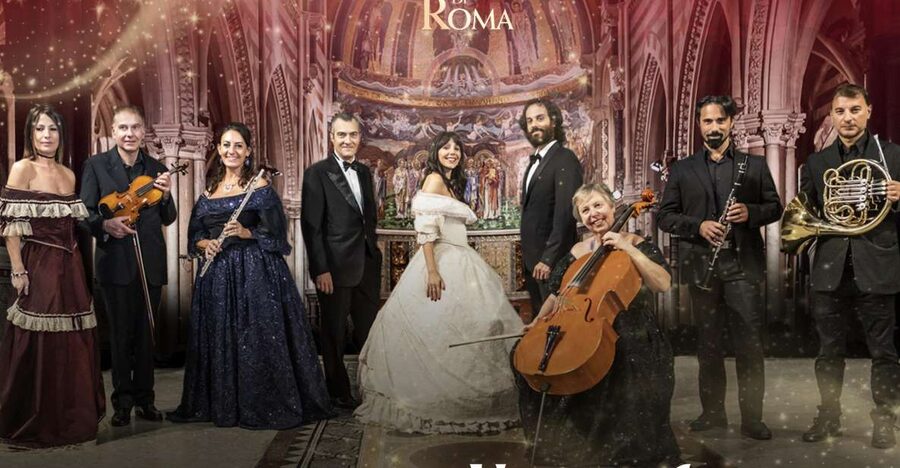
The first act begins with Offenbach’s Barcarola from The Tales of Hoffmann. It is a graceful opening, setting a polished mood before the program moves into larger operatic scenes.
Verdi’s Va’ Pensiero from Nabucco brings one of opera’s best-known choruses. This is an important early choice because it lets the orchestra and singers create a full ensemble sound, rather than presenting only solo arias. If you enjoy choral music, this is one of the act’s key moments.
Rossini then changes the mood with Largo al factotum della città from The Barber of Seville. The number is playful and fast-moving, built around the confident character of Figaro. It gives the baritone, Mr. Utzeri, a chance to bring comic energy into a program that might otherwise lean heavily toward romantic drama.
Donizetti’s Una furtiva lagrima from The Elixir of Love offers a sharp contrast. This tenor aria is quiet and tender, with the emotional focus turned inward. Mr. Gentili is scheduled to perform the tenor selections, and this piece should appeal to anyone who prefers expressive melody to theatrical noise.
Rossini returns with Una voce poco fa, another favorite from The Barber of Seville. Its quick turns and bright vocal writing bring a lighter, more agile quality to the program. Then Bizet’s Entr’acte III from Carmen gives the orchestra a moment in the spotlight.
The act closes with Verdi’s Libiamo nei lieti calici from La Traviata. This famous drinking song is a natural choice for New Year’s celebrations. It has a social, festive feel and works well as a bridge from opera into the more celebratory second half.
Act Two: drama, comedy, and a change of pace
The second act opens with Mascagni’s Intermezzo from Cavalleria Rusticana. An intermezzo contains no sung text, so the orchestra carries the mood. This is a chance to listen to the ensemble without focusing on lyrics, characters, or staging.
Rossini’s La calunnia from The Barber of Seville brings back comic drama. The aria builds around the idea of slander, turning a spoken concept into a musical joke that grows in force. It is a good example of why Rossini’s music remains so effective in a concert format, even without costumes or scenery.
Puccini’s Vissi d’arte from Tosca shifts the tone again. This is one of the program’s major soprano moments, and Ms. Testa is scheduled to sing the soprano selections. The aria is emotionally direct, making it accessible even if this is your first live opera performance.
Verdi’s La donna è mobile from Rigoletto is shorter, lighter, and instantly recognizable. It gives the tenor another chance to show a different side of the voice. Mozart’s Là ci darem la mano from Don Giovanni follows, adding a duet and a more intimate exchange between characters.
The act continues with Rossini’s Se il mio nome from The Barber of Seville, then moves into Waldteufel’s Waltz of the Skaters. That orchestral waltz is a useful change from the vocal pieces. You get a little breathing room before the final act, and the dance rhythm helps keep the evening tied to the New Year theme.
More New Year's Eve Celebrations in Italy:
- Christmas and New Year Concert at St. Peter’s Church in Vienna
★ 4.5 · 155 reviews - Madeira: New Year’s Eve Fireworks by Catamaran
★ 4.4 · 72 reviews - Madeira: New Years Eve Fireworks Catamaran Cruise
★ 4.8 · 58 reviews - Reykjavik: New Year’s Eve Fireworks Cruise
★ 4.3 · 54 reviews
Act Three: Puccini, Mozart, and the final waltzes
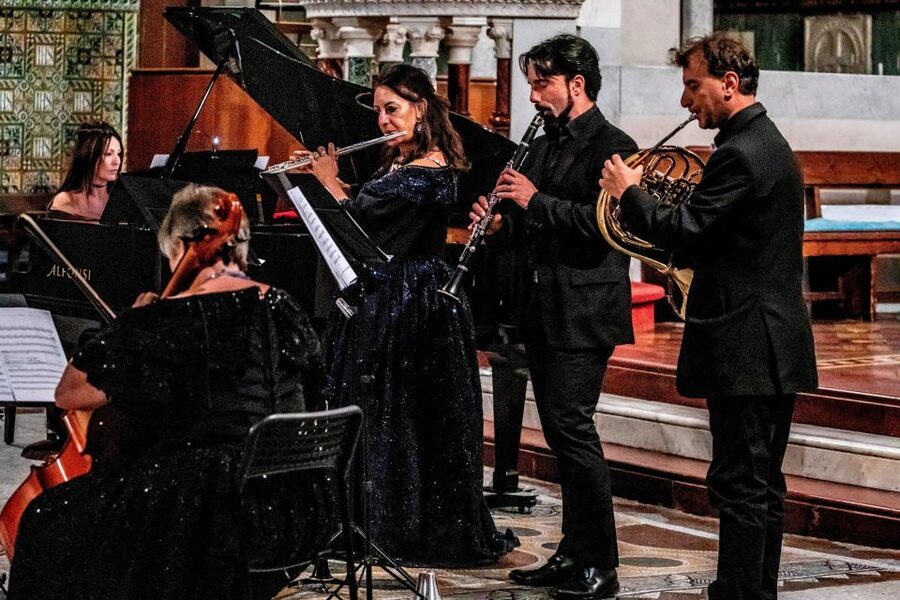
The third act starts with Johann Strauss’s Donne, vino e canti waltzes. The title points directly toward the celebration of women, wine, and song, making the selection a natural fit for a holiday concert.
Puccini’s Quando men vò from La Bohème follows. This is a glamorous soprano number with a very different character from the sorrow of Vissi d’arte. It gives Ms. Testa room to show a more playful and confident side of the soprano repertoire.
Mozart’s Deh vieni alla finestra from Don Giovanni brings a quieter serenade. Then Puccini returns with E lucean le stelle from Tosca, a tenor aria known for its emotional weight. These selections keep the final act from becoming one long party sequence. You still get the reflective side of opera.
Another Puccini selection, Che penna infame from La Bohème, adds further dramatic color. Mozart’s Non più andrai farfallone amoroso from The Marriage of Figaro then provides a comic finish before Rossini’s Zitti, zitti, piano, piano from The Barber of Seville closes the listed program.
This final act is especially varied. You move from waltz music to romantic arias, then to comic opera. If you want a single style repeated throughout the concert, this may feel scattered. If you like a sampler of famous opera and operetta pieces, the variety is the point.
Seating, sound, and what you actually see
The seating categories are one of the most useful features for budget planning. You can choose according to how much you want to spend and how important your position is inside the church. The exact benefits of each category are not specified, so you should check the current seat map and availability before booking.
The sound appears to be a stronger point than the sightlines. The church has good acoustics, which suits soaring voices and an orchestra. At the same time, the layout does not guarantee a direct view of every performer from every seat.
That distinction matters. A concert in a church is not the same as sitting in a conventional theater with a raised stage and carefully arranged sightlines. You may hear the music clearly while seeing the performers at an angle or with part of the view limited.
One practical comment concerns amplification. Some passages may be difficult to hear without a microphone, especially if you are seated farther away or if the acoustics carry the orchestra more strongly than the voices. This is not a reason to reject the concert, but it is a reason to choose your seat with care and keep your expectations realistic.
Is $39.86 a fair price?
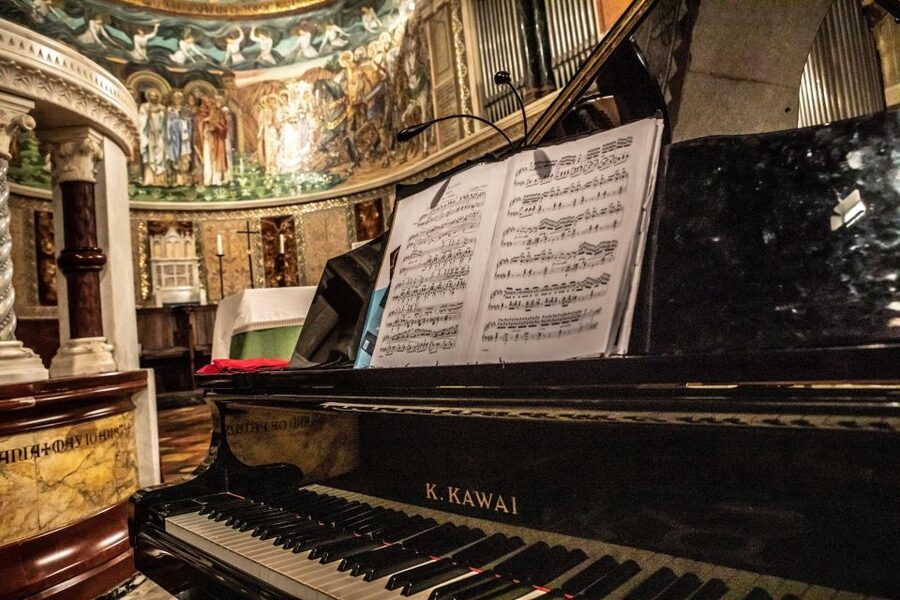
At $39.86 per person, the ticket sits in a reasonable range for a two-hour holiday concert in central Rome. The value comes from the combination of live orchestra, three professional singers, a long list of familiar works, and the church setting.
You are paying for a programmed musical event, not a full evening package. Food and drinks are not included, and there is no added city tour or backstage element. If you want dinner, you will need to arrange it separately.
I think the price works best for you if you already want an evening of opera and classical music. It is less attractive if you are mainly looking for a New Year’s party with drinks, dancing, or a midnight countdown. The concert welcomes 2026 through music, not through a bundled celebration.
The reserve-now-and-pay-later option gives you some flexibility when planning around a busy holiday period. You can also cancel up to 24 hours in advance for a full refund. Since starting times depend on availability, check the date and time before building dinner or transportation plans around the concert.
Who should book this concert?
I would recommend it to you if you enjoy opera highlights but do not want to commit to a full-length production. The program gives you recognizable pieces from many composers, so you can sample different voices and styles in one evening.
It also suits couples and families with older children who want a formal New Year’s activity in Rome. The two-hour duration is long enough to feel like a proper event without taking over the entire night.
This is a good pick for a first live opera concert, too. The music includes famous melodies, comic scenes, dramatic arias, choruses, and waltzes. You do not need prior opera knowledge to understand the broad mood of each selection.
I would be more cautious if you need an excellent view from every seat, dislike church seating, or expect every sung passage to be amplified. In that case, study the seating choices carefully or choose a theater performance with more controlled sightlines.
Should you book the St. Paul’s New Year’s Concert?
Book it if you want a reasonably priced, music-first New Year’s event with Rome’s church architecture around you and a program packed with familiar opera favorites. The singers, orchestra, and varied three-act format give you plenty of musical value for two hours.
Choose your seat with care, and remember that the strongest feature is likely the sound and atmosphere rather than a perfect view of every performer. For an opera sampler, a festive setting, and a clear way to welcome 2026, this concert is a solid choice. For food, nightlife, or a party countdown, make other plans around it.
FAQ
How long does the New Year’s Concert last?
The concert lasts approximately two hours.
Can I attend on New Year’s Eve or January 1?
Yes. You can choose the New Year’s Eve concert or the January 1 concert celebrating the start of 2026, depending on availability.
Where does the concert take place?
It takes place at St. Paul’s Within the Walls in Rome, in the Lazio region of Italy.
What music will be performed?
The program includes opera arias, duets, ensembles, choruses, orchestral interludes, and waltzes by composers including Verdi, Rossini, Puccini, Mozart, Donizetti, Bizet, Offenbach, Mascagni, Waldteufel, and Johann Strauss.
Who performs in the concert?
The scheduled performers include soprano Ms. Testa, tenor Mr. Gentili, baritone Mr. Utzeri, and the Orchestra of I Virtuosi dell’opera di Roma.
Is the venue wheelchair accessible?
Yes. The activity is listed as wheelchair accessible.
Are food and drinks included?
No. The ticket includes admission to the concert only. Food and drinks are not included.
New this season in Italy
- Explore the Naples Christmas Market Behind the Scenes★ 4.5 · 5 reviews
- Christmas Time in Milan Walking Tour★ 5.0 · 3 reviews
- Christmas Lights Private Photo Tour in Florence★ 5.0 · 3 reviews
- Arezzo and Montepulciano Christmas Markets tour from Florence★ 3.5 · 2 reviews
- One day tour Christmas markets Innsbruck – Bressanone – Vipiteno★ 4.5 · 11 reviews
- Rome: Christmas Lights Walking Tour★ 4.8 · 7 reviews
- Rome: Christmas Nativities and Angels Tour★ 3.1 · 8 reviews
- Rome: New Year’s Concert at Palazzo Doria Pamphilj with Tour★ 4.0 · 3 reviews
Rome Christmas Tours, side by side.
Celebrate Christmas in Rome – Small Group Walking Tour
Read our review →