
Review · JAPAN
Tokyo:Celebrate Unique Japanese New Year Tradition Festivity
At midnight in Tokyo’s Oji district, more than 200 people in fox masks and traditional kimono gather beneath glowing lanterns. The scene is based on an old legend and a famous ukiyo-e print, in which foxes from across the Kanto region travel to Oji Inari Shrine for New Year’s Eve. I like the chance to see a living local tradition instead of another downtown countdown, and I especially like the reserved viewing area, which gives you a clear look at the procession without being pressed into the crowd.
I also like the choice between a short two-hour visit and a longer three-hour evening with an izakaya stop, snacks, and one drink. The main concern is organization. Some recent customers found the guides offered little explanation after meeting at the station, so you should book this mainly for the access and setting, not solely for a polished cultural lecture.
Key points to know before booking
- The fox procession is the main event: More than 200 participants carry glowing lanterns and wear fox masks during a once-a-year New Year’s Eve gathering.
- Reserved viewing changes the experience: A permitted special area gives you a clear, front-row view instead of leaving you to find space in the crowd.
- The three-hour option adds local food: You stop at an izakaya for snacks and one beer, wine, or other included drink.
- The route includes two shrines and a park: Otonashi Water Park, Oji Shrine, and a final viewing point help explain the local setting.
- The meeting point is easy to reach: Meet at the north entrance of JR Oji Station, near the Keihin-Tohoku Line.
- The guide service can be uneven: English and Chinese are offered, but you may need to ask direct questions if you want more explanation.
Why the Oji fox legend matters
Japanese New Year is usually associated with shrine visits, family customs, food, and the first prayer of the year. Oji adds something stranger and more theatrical: the belief that foxes gather in disguise and make their way to Oji Inari Shrine.
The parade draws from a famous woodblock print showing foxes traveling through the night. Here, that old image becomes a real procession of people in fox masks, kimono, and lantern light. You are not simply watching a modern street show. You are seeing a local celebration built around folklore, art, and shrine tradition.
That setting is the real reason to choose this experience. Tokyo’s best cultural moments are often found outside the major sightseeing circuit. Oji is still part of the city, but the evening focuses on a neighborhood tradition rather than a major tourist landmark.
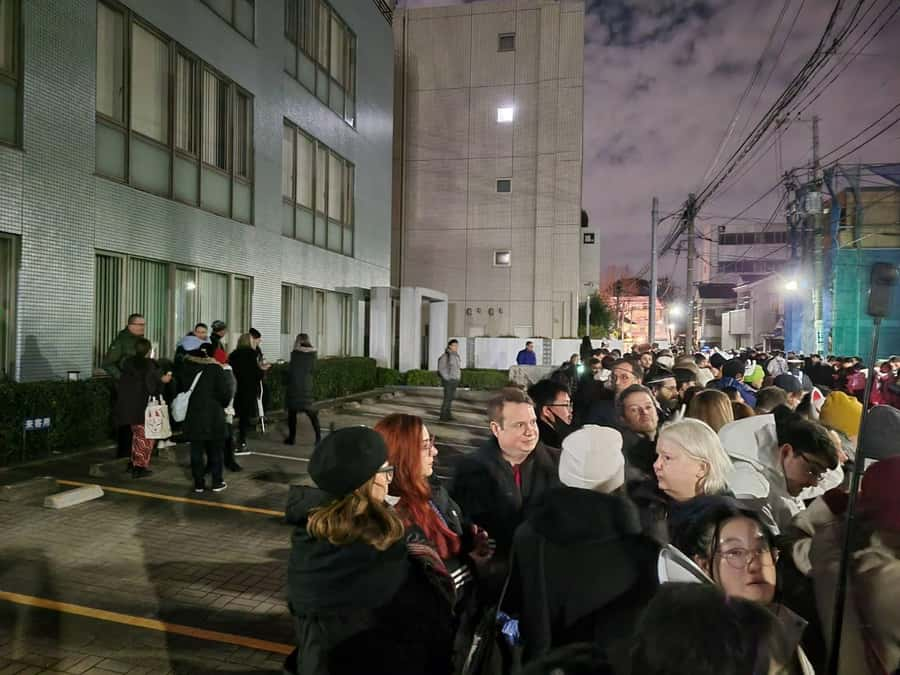
The event takes place on New Year’s Eve, so the atmosphere is naturally busy and excited. You should expect waiting, crowds outside the reserved area, and a late finish close to midnight. That is part of the appeal, but it also means this is not an easygoing daytime tour.
More New Year's Eve Celebrations in the world:
- Vienna: Christmas & New Year’s Concert in St. Peter’s Church
★ 4.6 · 763 reviews - Christmas and New Year Concert at St. Peter’s Church in Vienna
★ 4.5 · 155 reviews - London: Festive New Year’s Eve 4-Course Dinner Cruise
★ 4.3 · 16 reviews
Meeting at JR Oji Station
Your evening begins at the north entrance of JR Oji Station. The nearest rail connection is the Keihin-Tohoku Line, and you can also reach Oji on the Tokyo Metro Namboku Line. If you arrive by subway, use Exit 3 and walk to the ground-level north entrance of the JR station.
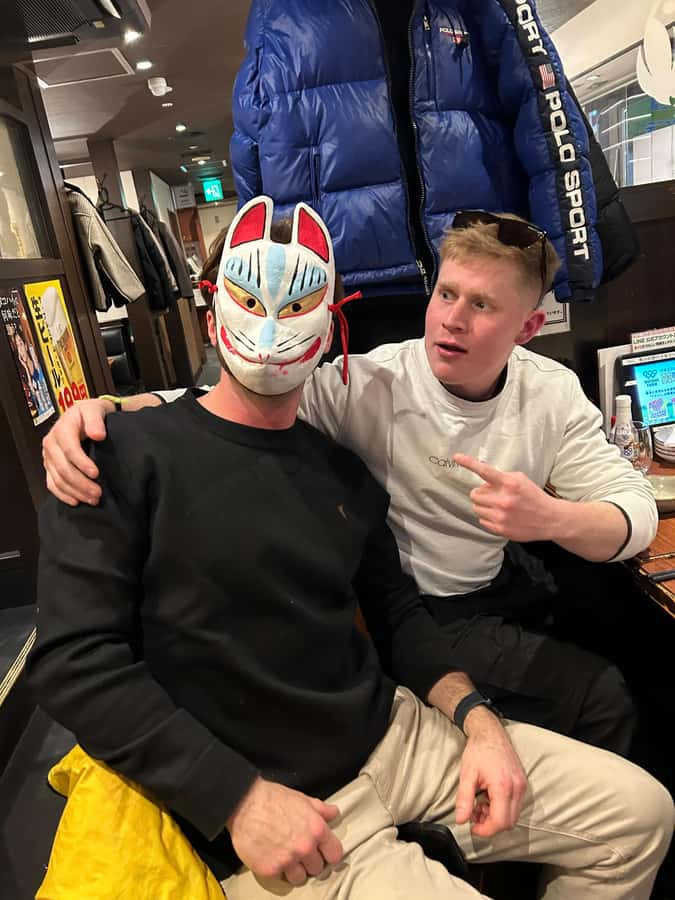
The guide will identify the group with a fox mask. That is a useful detail on a crowded holiday evening, when station entrances can become confusing. I would still arrive early enough to find the correct exit and orient yourself before the meeting time.
The welcome may be brief. A recent booking described the station check-in as little more than confirming names before the group moved on. If you want to know the evening’s order, ask at the start: when you will eat, where you will wait, and how long you will have at each stop.
That small bit of preparation matters here. New Year’s Eve schedules can feel loose, and the group may move quickly from one place to another. Comfortable shoes are essential.
The izakaya option: food, one drink, and local atmosphere
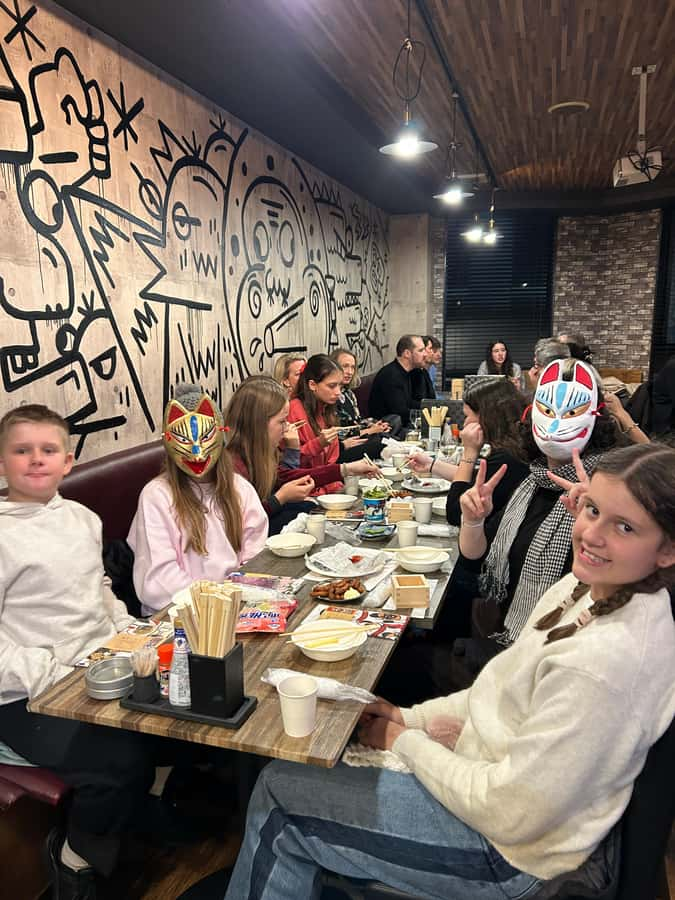
The longer version begins with about an hour at a local izakaya. You receive snacks and one drink, with beer, wine, and local food listed among the options. The meal is not presented as a full dinner, so plan another meal if you need something substantial.
This stop gives the evening a warm start. An izakaya is a casual Japanese bar where food is shared and drinks are part of the social setting. Having a place indoors is especially useful on a cold December night, before you spend time outside waiting for midnight.
The food service appears to be generous, and the staff at the restaurant have been described as friendly. The weak point is the lack of explanation. You may receive a good amount of food without being told what each dish is or why it is served.
I would treat the izakaya stop as a comfortable local meal break, not a guided food tour. If you are curious about a dish, ask the restaurant staff or your guide directly. The experience includes one drink, but additional alcohol is not part of the stated package.
The shorter option skips the bar and goes directly toward the shrine visits and procession. That makes sense if you already have dinner plans or care most about the fox parade. The longer choice is better if you want shelter, snacks, and a more social beginning to the night.
Otonashi Water Park and the route through Oji
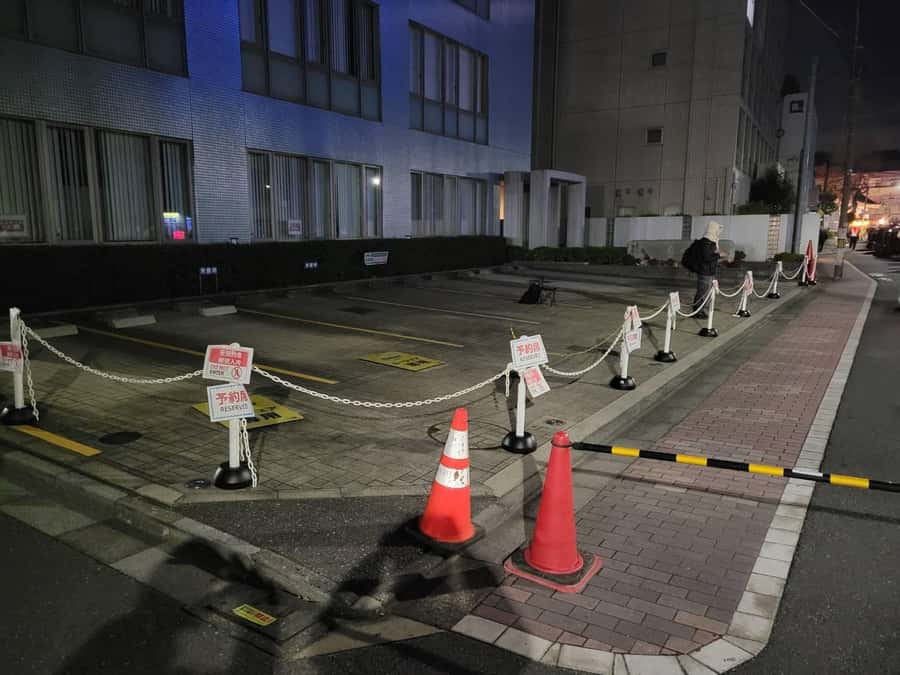
The group then visits Otonashi Water Park for about 15 minutes. This is a short stop, so do not expect a long walk or a major attraction visit. Its value is in helping you understand the local area before the shrine and parade.
The park adds a quieter contrast to the coming crowd. You have a chance to pause, take photographs, and hear about the neighborhood before the night becomes focused on the procession. If the guide provides background, this is a natural place to connect the waterway and the shrine district to the fox legend.
The visit is brief, so your time will likely be spent standing and walking rather than sitting. Wear shoes that can handle uneven pavement and winter weather. The tour is not suitable for wheelchair users, and it is not recommended for people with back problems, pregnancy, heart problems, or other serious medical conditions.
Same season, another way to celebrate it:
- London: Christmas Lights Bus Tour With Live Guide
★ 4.0 · 5,410 reviews - London by Night Bus Tour with Christmas Lights and Live Guide
★ 4.5 · 2,040 reviews - Auckland: Hobbiton Movie Set Day Trip with Festive Lunch
★ 4.8 · 1,431 reviews - Paris: Tootbus Open-Top Christmas Bus Tour
★ 4.0 · 1,365 reviews
Oji Shrine and the New Year shrine tradition
The route continues to Oji Shrine, with roughly 45 minutes set aside for the visit. Shrine stops are especially fitting on New Year’s Eve, when Japanese people prepare for the first prayers and ceremonies of the new year.
This is where the tour’s cultural theme becomes more than a parade. The guide can explain the role of the shrine and the meaning of the fox imagery, while you see the place connected to the local legend. I would pay attention to the difference between shrine worship and the theatrical procession. They are related in setting, but they are not the same activity.
The quality of this stop depends heavily on the guide. The tour is offered in English and Chinese, but recent feedback indicates that explanations may be limited. You might hear a useful introduction, or you might need to ask questions to get more context.
A good approach is to prepare two or three questions before you arrive. Ask about the fox legend, the role of Oji Inari Shrine, and why the procession takes place on New Year’s Eve. That can turn a quiet shrine visit into a much more meaningful part of the evening.
Waiting for midnight and finding the viewing point
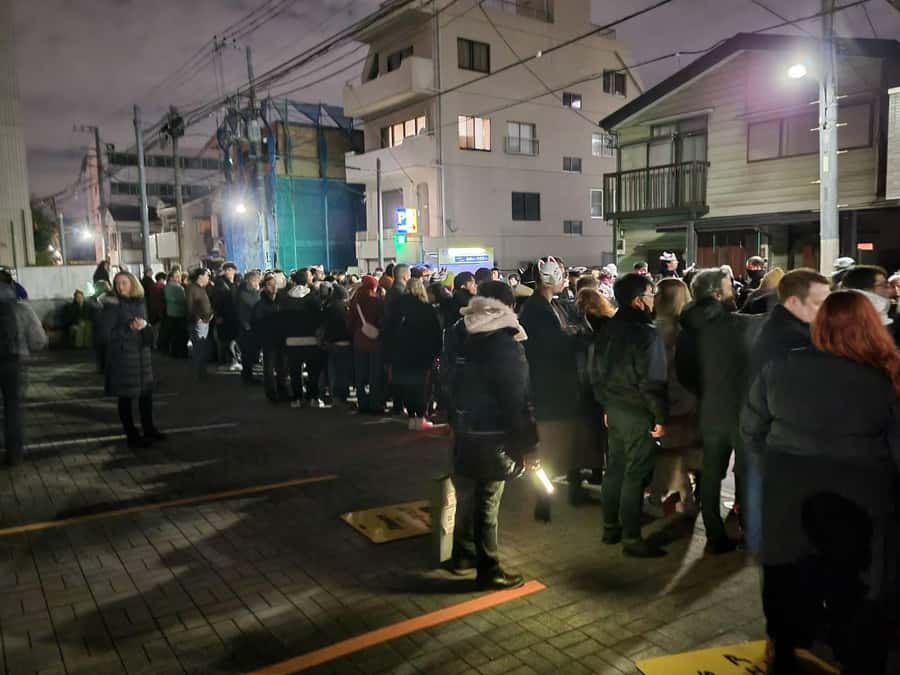
The final part brings you to a viewing point for the procession. About 30 minutes is listed for the photo stop and visit, though the actual evening includes a wait for the countdown. One recent group waited around 20 minutes at the viewing area before midnight.
Waiting outside in winter is the practical challenge. Bring warm clothing, not just a stylish coat. Gloves, a scarf, and shoes suitable for standing will make a real difference. A camera is welcome, but flash photography is not allowed.
The reserved area is the strongest practical feature of the tour. Without a place held for you, finding a clear view during a popular midnight event could be difficult. The reserved zone is described as government-permitted and crowd-free, giving you a front-row position for the procession.
That access does not remove every inconvenience. You may still stand outside, wait for the countdown, and follow the group through busy streets. But it removes the biggest uncertainty: whether you will actually see the parade.
The fox procession under lantern light
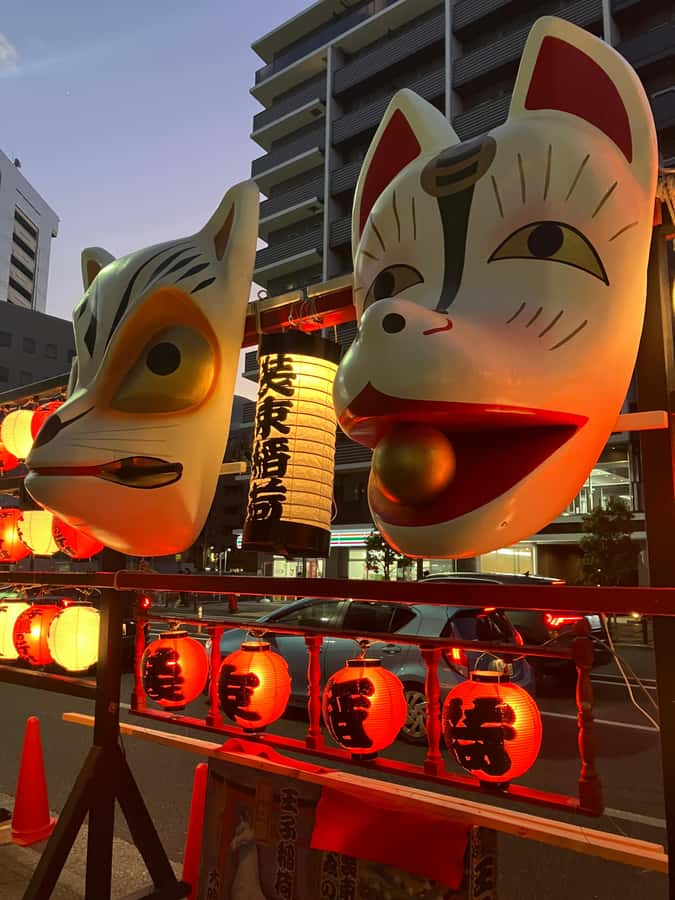
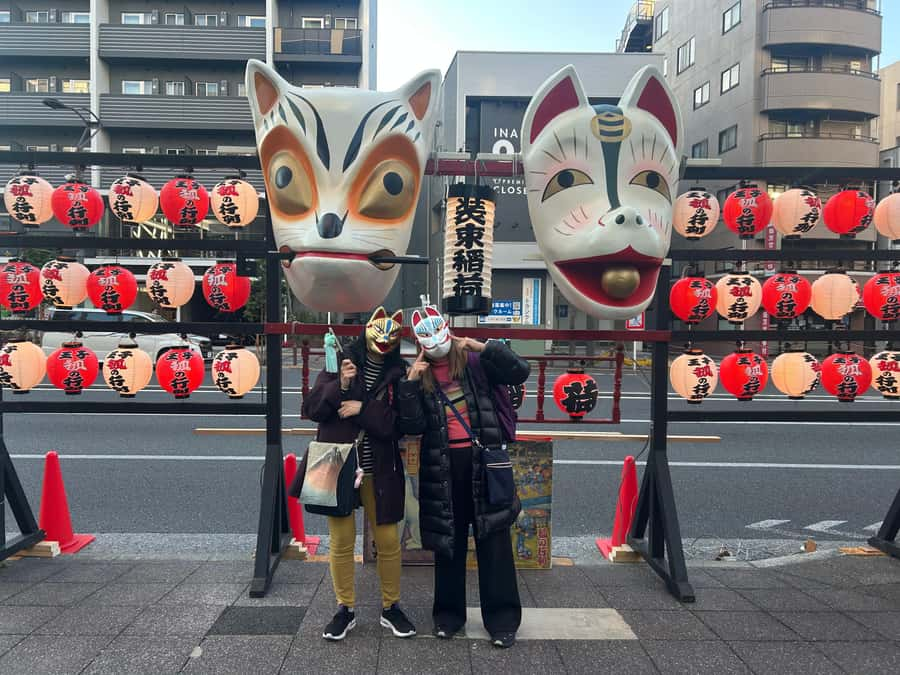
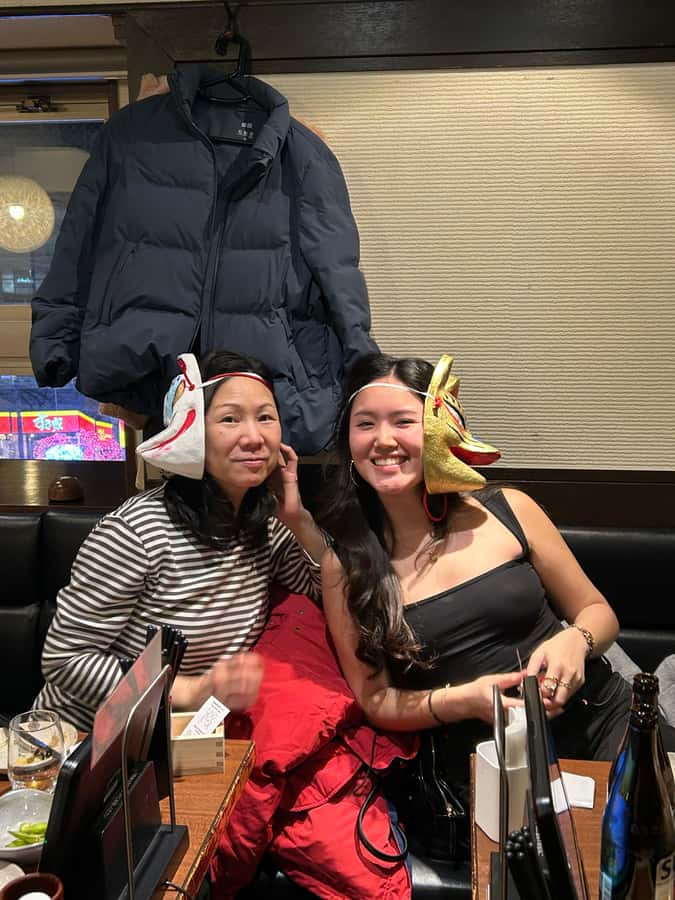
The procession is the reason to book. More than 200 participants wear traditional clothing and fox masks, carrying glowing lanterns that represent kitsunebi, or foxfire. The effect is meant to feel eerie and beautiful, especially at night.
This is not a standard parade with floats and loud entertainment. The power comes from the masks, the lanterns, and the idea of foxes gathering in the darkness. If you like folklore, Japanese art, or unusual local festivals, this will likely be more memorable than a generic countdown event.
The famous print behind the tradition gives the procession an artistic link. You can see how an old image of foxes crossing the night has been turned into a modern community celebration. That connection is one of the most interesting aspects of the evening.
Photography requires care. Flash is prohibited, and the low light may make sharp pictures difficult. Bring your camera, but also allow yourself to watch the event without trying to document every moment.
How much value do you get for the price?
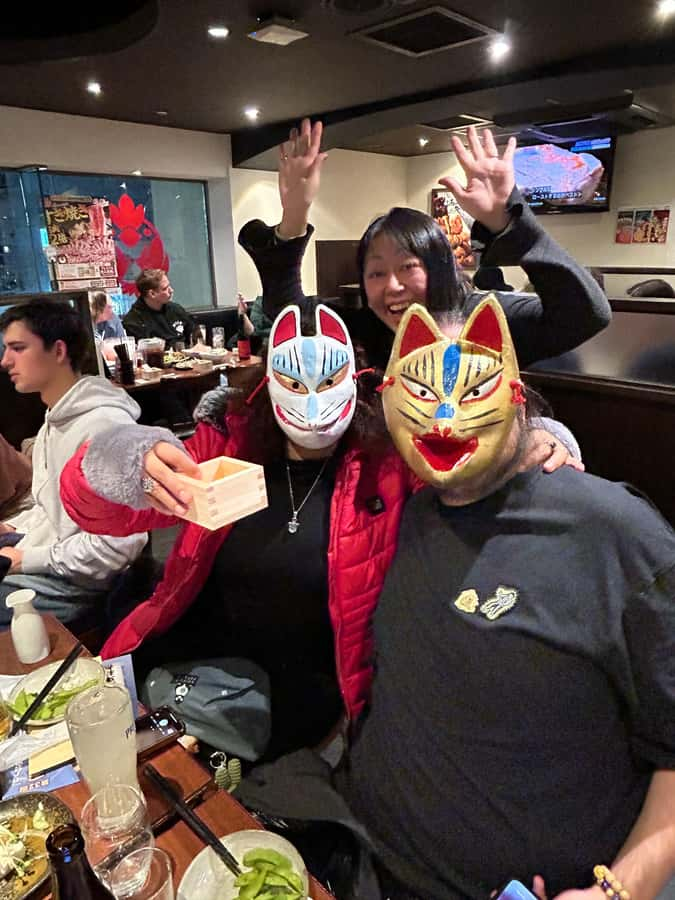
The listed price is $64 per person, with the package prices given as JPY 10,000 for the two-hour option and JPY 15,000 for the three-hour version. The longer option includes the procession, shrine visit, snacks, and one drink. The shorter version includes the procession and shrine visit without the izakaya stop.
The price is easiest to justify if the reserved viewing area matters to you. On a crowded New Year’s Eve, a clear view can save you from spending the evening searching for a position or seeing only the backs of other people. The guide also handles the route between the station, shrine area, and viewing point.
The price is harder to justify if you expect a detailed guided lesson or a carefully managed food experience. The available feedback points to weak communication from some guides, including little explanation of the dishes and no clear briefing about the next part of the evening. In that case, you are paying mainly for access, location, and the reserved spot.
The three-hour option offers the better value for anyone who wants a warm place to begin and local snacks before the midnight wait. The two-hour option is the sharper choice for independent eaters and anyone who wants the event with fewer extras.
Who should book this experience?
I would recommend it to adults and older teenagers who enjoy unusual local customs, shrine visits, folklore, and nighttime photography. It suits people who would rather see a small neighborhood tradition than join a large downtown countdown.
It is not suitable for children under 12. You also need to be comfortable walking and standing outside in winter. Wheelchair users cannot join, and the activity is not recommended for people with back problems, pregnant people, or those with heart problems or other serious medical conditions.
You should also be comfortable with some uncertainty in the presentation. The event itself is distinctive, but the guiding may be light. If you want a tightly scripted tour with constant commentary, this may frustrate you.
Practical details for a smoother night
Meet at the north entrance of JR Oji Station and look for the guide’s fox mask. Subway users should take Exit 3 from Oji Station and walk to the JR station entrance at ground level.
Wear warm layers and comfortable shoes. Bring a camera, but do not use flash. Smoking is not allowed, and alcoholic drinks cannot be taken in the vehicle.
The activity lasts two or three hours, depending on the option you choose. The exact starting time should be checked when booking, since this is a New Year’s Eve event tied to the midnight countdown.
Free cancellation is available up to 24 hours in advance, and you can reserve now and pay later. Those terms are helpful when your holiday schedule is still changing.
Should you book the Oji Fox Parade?
Book this if your priority is a rare New Year’s Eve scene, a reserved view, and a local legend brought to life with masks and lanterns. The fox procession is unusual, visually striking, and difficult to reproduce on your own without knowing the area or securing a viewing position.
Choose the three-hour version if you want snacks and one drink at an izakaya. Choose two hours if you only want the shrines and parade.
I would not book it expecting a polished, lecture-style cultural tour. The guide may provide limited commentary, and the evening can feel improvised between stops. But if you value the event itself more than perfect logistics, the Oji Fox Parade offers a memorable way to welcome the new year in Tokyo.
FAQ
Where does the tour meet?
Meet at the north entrance of JR Oji Station on the Keihin-Tohoku Line. If you use the Tokyo Metro Namboku Line, take Exit 3 and walk to the north entrance of JR Oji Station at ground level.
How will I identify the guide?
The guide will show a fox mask at the meeting point.
How long does the experience last?
You can choose a two-hour or three-hour option. Check the available starting times when booking.
What is included in the three-hour option?
The three-hour option includes the fox procession viewing, a shrine visit, snacks at a local izakaya, and one drink.
What is included in the two-hour option?
The two-hour option includes the fox procession viewing and shrine visit. It does not include the izakaya snacks and drink.
Which languages are offered?
The tour is offered with a live guide in English or Chinese.
What should I bring?
Bring comfortable shoes, warm clothing, and a camera. Flash photography is not allowed.
Is the experience suitable for children?
Children under 12 are not considered suitable for this activity.
Can I cancel or pay later?
You can cancel up to 24 hours in advance for a full refund. Reserve now and pay later is also available.
New this season in the world
- Private New York City Christmas Walking Tour★ 3.5 · 5 reviews
- New York Christmas Holiday Lights Walking Tour★ 5.0 · 8 reviews
- New York City Christmas Holiday Lights Sightseeing Cruise★ 5.0 · 4 reviews
- NYC: Dyker Heights Christmas Lights Express from Times Square★ 5.0 · 2 reviews
- Ultimate NYC Christmas Lights At Night Walking Tour★ 5.0 · 2 reviews
- NYC: Dyker Heights Christmas Lights Express Hot Coco+Santa Cookie★ 3.0 · 4 reviews
- Christmas Lights Tour of Dyker Heights Brooklyn★ 3.5 · 4 reviews
- Dyker Heights Christmas Lights Tour from Times Square★ 3.0 · 4 reviews
New Year's Eve Celebrations, side by side.
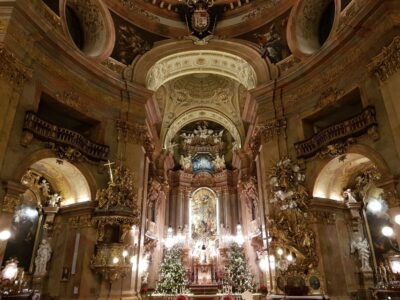
Vienna: Christmas & New Year’s Concert in St. Peter’s Church
Read our review →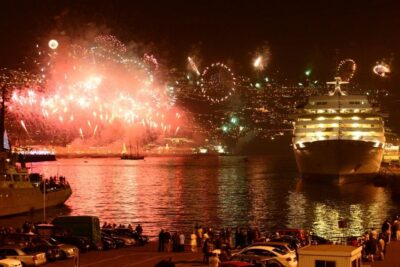

Budapest: New Year’s Eve Party Cruise with Food & Live Show
Read our review →
Lisbon: New Year’s Eve with Live Dj Fireworks and Open Bar
Read our review →
New Years Eve Sydney Harbour Cruise 2026-2027
Read our review →
NYC: New Year’s Eve Buffet Dinner Fireworks Harbor Cruise
Read our review →This tour also sits in