
Review · BELGIUM
From Ypres, The Christmas Truce to Passchendaele Ypres Based WW1 private tour
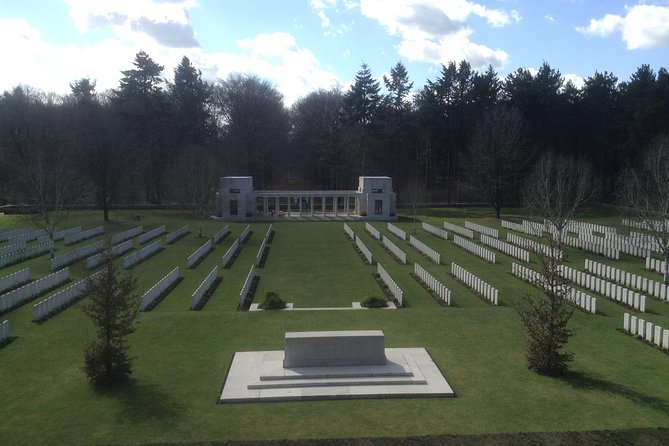
The most moving part of this Ypres tour is the way it links famous battle sites with small, personal stories. At Messines Ridge, you hear about the Christmas Truce, the giant mines, and the crypt where Adolf Hitler was treated for wounds. Later, at Tyne Cot, the scale shifts from one soldier to thousands.
I like the private format, which lets Soren adjust the day to your family history and interests. I also like the mix of major memorials, quiet battlefield ground, original trenches, and concrete bunkers. The main consideration is pace: eight hours covers a lot, and lunch is not included.
Key points to know before booking
- Messines Ridge sets the tone: Christmas Truce stories, mine craters, and wartime medical history all meet here.
- Soren offers a personal approach: The tour can be shaped around your military knowledge, home country, or a particular relative.
- You cover a wide area: The route includes Hill 60, Polygon Wood, Passchendaele country, Tyne Cot, and Ypres.
- The private vehicle saves time: You are not waiting for a large group, though some stops are brief.
- Original trenches add texture: Sanctuary Wood includes a trench museum, one of the few indoor attractions on the route.
- Plan for an English-language day: Pickup is from Ieper, the Dutch name for Ypres, and at least two people are required.
Why this Ypres battlefield tour works
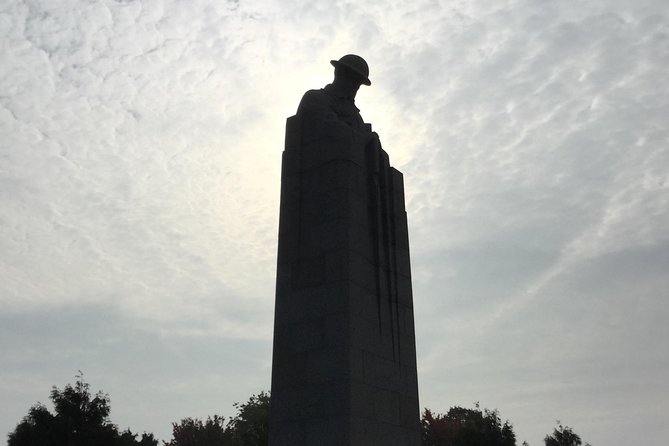
A battlefield tour can easily become a string of names and dates. This one works best because Soren connects the ground to individual soldiers, units, and family stories. Several people who booked the experience had him research relatives before the day, then point out the places connected with those men.
That personal touch matters around Ypres. The fields and villages have been rebuilt, so you cannot simply look around and see the Western Front as it was in 1917. A guide helps you read the roads, woods, cemeteries, ridges, and remaining structures.
The day is private and fully customizable. You can ask for more detail about Australian troops, South African graves, a family member, or the battles around Passchendaele. Soren has also tailored the level of explanation to the group, making the day suitable for someone with a strong interest in WWI as well as someone starting from scratch.
The route is not only about the best-known names. It includes small sites and battlefield traces that are easy to miss by car. You get a broad view of the Ypres Salient, then stop often enough to connect the military story to the ground beneath your feet.
More Private Christmas Tours in the world:
- New York City Christmas Lights Private Horse Carriage Ride
★ 4.5 · 237 reviews - Christmas Lights Tour of Madrid in Eco Tuk Tuk Private
★ 5.0 · 125 reviews - Christmas in New York: Private Holiday History Tour
★ 5.0 · 107 reviews
Messines Ridge and the Christmas Truce
Allow about two hours at Messines Ridge, the longest stop of the day. This is where the tour begins to make sense as a connected story rather than a list of monuments.
You hear about the Battle of Messines and visit mine craters created by underground explosives. The account of the Christmas Truce gives the site a more human opening. It reminds you that the men facing one another were not always locked into combat every minute of the war.
The stop also includes the crypt where Adolf Hitler was treated for his wounds. That detail brings the First World War into contact with the later history of Europe, though the focus remains on the battlefield itself.
This is a good place to ask questions. With two hours available, Soren can explain how the battle unfolded and why the ridge mattered. You will get more from the stop if you are willing to walk, listen, and picture the wartime terrain rather than simply take photographs.
Hooge Crater Cemetery and the Menin Road
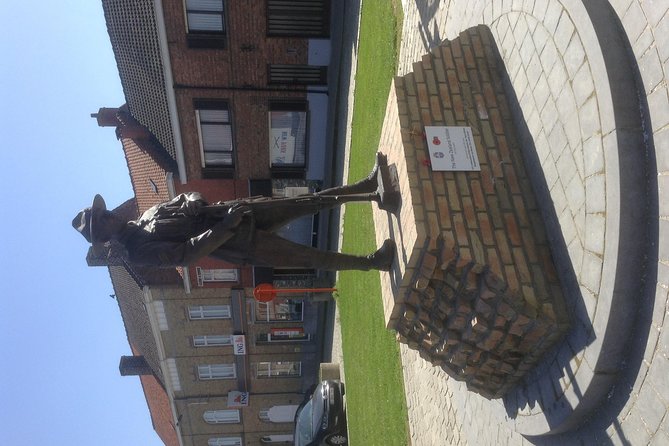
The visit to Hooge Crater Cemetery lasts about 15 minutes, so expect a focused stop rather than a long cemetery walk. You visit the grave of Pat Bugden VC, who was only 20 when he received the Victoria Cross.
You also stand on the Menin Road beside the area used by Australian gun pits during the assault on Passchendaele. That positioning helps you understand how roads shaped movement, supply, artillery, and attack.
The short timing is the drawback here. If you want a long search through the cemetery or time for extensive family research, you will need to tell Soren early in the day. The private format gives you some flexibility, but the route still has many places to cover.
The Black Watch and Polygon Wood
At The Black Watch site, you learn about the Australian headquarters located there in September 1917. The ground also connects to earlier fighting in November 1914, so the stop shows how the same piece of country could matter at different points in the war.
Polygon Wood gives you more time, about 30 minutes. You walk through the woods and see concrete bunkers that remained from the fighting in which Australian soldiers captured the area. The visit also includes a cemetery and the Australian 5th Division monument.
This is one of the stronger stops for understanding the physical remains of the war. The bunkers are not grand monuments. Their value is in their plainness. They help you picture defensive positions and the hard, close work required to take them.
The walk through the woods also changes the rhythm of the day. Much of the tour happens from the vehicle or around memorials, while Polygon Wood gives you a chance to move through the ground itself.
More Christmas Tours in the world:
- London: Christmas Lights Bus Tour With Live Guide
★ 4.0 · 5,410 reviews - London by Night Bus Tour with Christmas Lights and Live Guide
★ 4.5 · 2,040 reviews - Auckland: Hobbiton Movie Set Day Trip with Festive Lunch
★ 4.8 · 1,431 reviews - Paris: Tootbus Open-Top Christmas Bus Tour
★ 4.0 · 1,365 reviews
Hill 60 and the 1917 mine explosion
At Hill 60, allow about 45 minutes. Soren explains the work of Captain Woodward and the 1st Australian Tunnelling Company, including the huge mine detonated at 3:10 a.m. on June 7, 1917.
You see the resulting crater. That physical feature gives the underground war a clear shape. Much of military history can feel abstract when you hear about tunnels, mines, and artillery. Here, the crater makes the scale of the operation easier to grasp.
Hill 60 is especially useful if you want technical detail. The stop is not just a quick photo opportunity. It connects planning, engineering, timing, and the risks faced by men working below the front line.
Following the Australian advance through Broodseinde and Zonnebeke
Broodseinde and Zonnebeke are driving sections rather than long walking stops. You follow the line of the Australian advance through the area associated with Passchendaele.
These portions may feel less dramatic than Hill 60 or Tyne Cot, but they provide continuity. Instead of jumping between unrelated points, you travel along the route taken by the advancing troops. That helps you see how the separate battle sites fit together.
This is another reason the private vehicle matters. You spend the driving time with a guide who can explain what you are passing. Without that context, these sections could look like ordinary Belgian roads and fields.
Tyne Cot Cemetery and the scale of loss
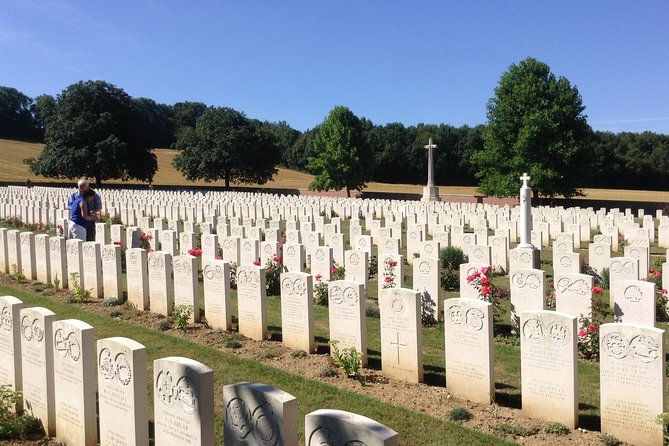
Tyne Cot receives about 45 minutes. It is the world’s largest Commonwealth War Graves Commission cemetery, with around 12,000 soldiers buried there. Only about 3,000 have names, which gives the memorial a stark sense of how many men could disappear without an identified grave.
Two Australian Victoria Cross recipients are buried here. Their stories add individual focus to a site that can otherwise feel overwhelming in its scale.
I would treat Tyne Cot as one of the emotional centers of the day. The cemetery asks you to slow down. You do not need a long explanation to understand its size, but Soren’s account of the men and units connected with it can help you look beyond the rows of headstones.
If you have a family name to find, provide it when booking or before the tour if possible. The guide has helped people connect the day with specific relatives, and that kind of preparation can make a major difference.
John McCrae’s hospital site and In Flanders Fields
The visit to the John McCrae site lasts about 30 minutes. This is the hospital location where Lieutenant Colonel John McCrae composed In Flanders Fields.
The value here is the link between a familiar poem and the place where it was written. You are not only hearing about McCrae as a historical figure. You are seeing the hospital site associated with the poem and the wartime setting that shaped it.
This stop offers a quieter pause after the military scale of Tyne Cot. It also suits people who approach WWI through literature, remembrance, or family memory rather than battlefield tactics.
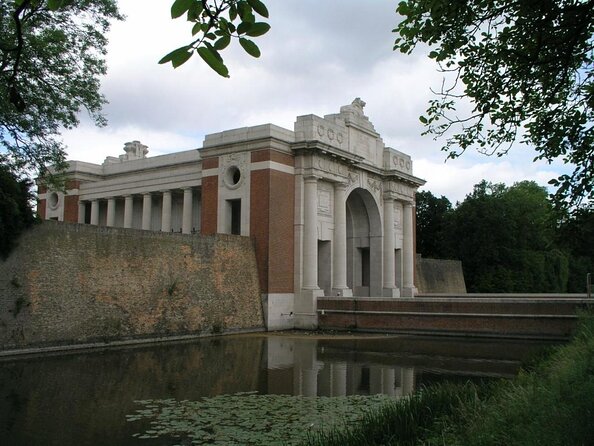
The Menin Gate and 55,000 missing names
The Menin Gate visit takes about 20 minutes. Soren explains why the memorial was created and discusses some of the stories behind the approximately 55,000 names of missing soldiers recorded there.
The gate is in Ypres, so this final city stop gives the day a strong connection to the town itself. By this stage, the names are no longer just an inscription. You have already visited cemeteries, battle sites, craters, and trenches, so the memorial carries more weight.
Twenty minutes is enough for an introduction, but you may want to return independently if you wish to spend longer with the names. The private tour gives you a guided explanation, not unlimited time at every location.
Sanctuary Wood and the trench museum
Sanctuary Wood includes about 40 minutes at original WWI trenches and a small museum. The trench remains are among the most tangible parts of the experience. They help you understand the confined, muddy, defensive world that shaped daily life at the front.
The museum is included in the price, along with bottled water. It is the only clearly identified indoor museum stop in the route, so it also provides a change from cemeteries and outdoor sites.
The museum is described as quaint rather than large. Do not book this tour expecting a major military museum with hours of exhibits. Its strength is the direct connection between the trench remains and the surrounding battlefield.
The private format and Soren’s guiding style
Soren is an English-speaking guide who has lived around Ypres for many years and has a strong personal connection with the region. His great-uncle died in the war, and that connection informs the care he brings to the subject without making the tour only about his own family.
His guiding style is particularly useful if you arrive with a family question. He has researched relatives, connected graves to the wider story, and followed up with links to books, films, podcasts, and further research. One group even received help finding South African graves and information about specific areas after the tour.
The private setup also means you can ask questions without worrying about slowing down a coach full of strangers. If your group has mixed interests, explain that at the start. You can request more military detail, more personal stories, or more time for family connections.
The tradeoff is that this is not an inexpensive hop-on sightseeing loop. It costs $420.49 per person, and the minimum booking is two people. For a couple, that is a significant day-trip cost. Still, the price includes a private guide and vehicle-based touring across a wide area, bottled water, pickup from select Ieper hotels, and entry to the trench museum.
I see the value most clearly for people who would otherwise spend hours trying to find and interpret these sites alone. The cost is harder to justify if you only want to see the Menin Gate and one cemetery.
Timing, pickup, food, and practical details
The tour starts at 9:00 a.m. and lasts about eight hours. Pickup is available in Ieper, also called Ypres, but the booking requires at least two people. If you need pickup in Lille, Arras, or Bruges, a different option is required.
Lunch is not included. Plan for that when considering the day, and ask about the practical timing before setting out. The tour includes bottled water, which is useful because much of the experience takes place outdoors.
Most people can take part, and service animals are allowed. The activity is near public transportation, though the provided details do not specify a particular station or route.
Free cancellation is available up to 24 hours before the start time. If the minimum number is not met and the tour is canceled, you are offered another date or experience, or a full refund.
Who should book this Ypres tour?
I would choose this tour if you want a serious, personal introduction to the Ypres Salient and the Australian role in Passchendaele. It suits families tracing a relative, history fans who want more than a quick monument visit, and first-time visitors who need the ground explained as they go.
It is less suitable if you want a relaxed half-day outing, a museum-heavy experience, or a self-guided schedule with long stops at only two or three places. The route is full, and some stops last only 15 or 20 minutes.
Book it if you value context, personal stories, and access to scattered sites that are awkward to connect on your own. Skip it if the price is beyond your budget or if you prefer to set your own pace. For the right group, the private format and Soren’s family-focused research make this one of the strongest ways to understand WWI around Ypres.
FAQ
Where does the tour start?
The tour starts at 9:00 a.m. with pickup in Ieper, also known as Ypres.
Is pickup included?
Pickup is offered from select hotels in Ieper. Pickup from Lille, Arras, or Bruges requires a different tour option.
How long does the tour last?
The experience lasts approximately eight hours.
Is this a private tour?
Yes. Only your group takes part, and the tour can be customized to your interests.
How many people are required to book?
A minimum of two guests is required.
What language is the tour offered in?
The tour is offered in English.
Is lunch included?
No. Lunch is not included in the price.
What is included in the price?
The tour includes bottled water, the private guided experience, pickup from eligible Ieper hotels, and entry to the trench museum.
Can I visit a WWI trench?
Yes. Sanctuary Wood includes original WWI trenches and a small WWI museum.
Can I cancel for a full refund?
Yes, if you cancel at least 24 hours before the experience start time. Less than 24 hours before the start, refunds are not provided.
New this season in the world
- Private New York City Christmas Walking Tour★ 3.5 · 5 reviews
- New York Christmas Holiday Lights Walking Tour★ 5.0 · 8 reviews
- New York City Christmas Holiday Lights Sightseeing Cruise★ 5.0 · 4 reviews
- NYC: Dyker Heights Christmas Lights Express from Times Square★ 5.0 · 2 reviews
- Ultimate NYC Christmas Lights At Night Walking Tour★ 5.0 · 2 reviews
- NYC: Dyker Heights Christmas Lights Express Hot Coco+Santa Cookie★ 3.0 · 4 reviews
- Private Christmas Lights Horse Carriage Tour In New York City★ 5.0 · 2 reviews
- Christmas Lights Tour of Dyker Heights Brooklyn★ 3.5 · 4 reviews
Belgium Christmas Tours, side by side.
Brussels Private & Personalized Christmas Tour with a Local Guide
Read our review →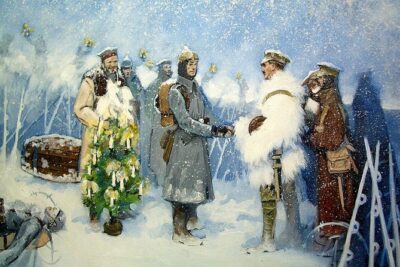
From Ypres 4hr Christmas Truce and Monster Mines of Messines PRIVATE Tour
Read our review →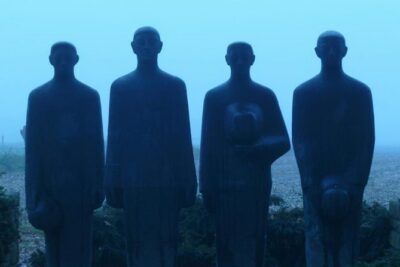
From LIlle or Bruges, Christmas Truce to Passchendaele Ypres 1 day WW1 private
Read our review →
Brussels: Christmas Market Magic Walking Tour with a Local
Read our review →
Discover the magic of Christmas in Brussels with a local guide
Read our review →
Christmas Magic in Bruges – Private Walking Tour
Read our review →
This tour also sits in