
Review · VIENNA
Vienna: Festive Season and New Year’s Eve Waltz Workshop
Vienna’s New Year tradition has a simple charm: at midnight, people dance to the Blue Danube and wish one another a happy year ahead. This one-hour class lets you try that tradition in a private Waltz Hall, with clear instruction, a friendly international group, and music adjusted to the class. I like the focus on two things many dance classes skip: ballroom etiquette and the social meaning behind the steps.
I also like the short format. You can fit it into a busy Vienna visit without giving up half a day. The main consideration is that one hour is enough to learn the basic movements, not enough to become a polished ballroom dancer. You’ll need comfortable shoes, arrive on time, and be ready for a class that is not suitable for children under 10, wheelchair users, or people with pre-existing medical conditions.
Key points to know before you book
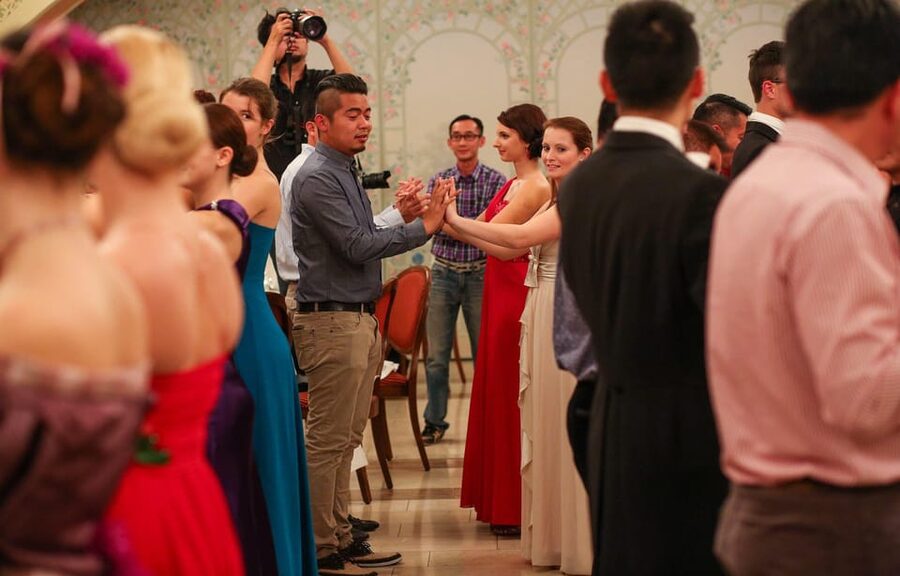
- One hour of practical dancing: The class focuses on the key movements of the Original Viennese Waltz rather than trying to cover every ballroom skill.
- A real Vienna tradition: You learn why the Blue Danube Waltz matters at New Year and during the city’s famous ball season.
- Made for beginners: The teaching is designed to be relaxed and easy to follow, with a safe setting for people from different backgrounds.
- Private dance floor: The session takes place in a private Waltz Hall, with a small-group option available.
- English or German instruction: A certified instructor teaches in English or German. Aga is specifically named among the instructors associated with the experience.
- Good timing discipline: Doors open 15 minutes before the start, but they close on time, so a late arrival can count as a no-show.
Why the Viennese Waltz matters in Vienna
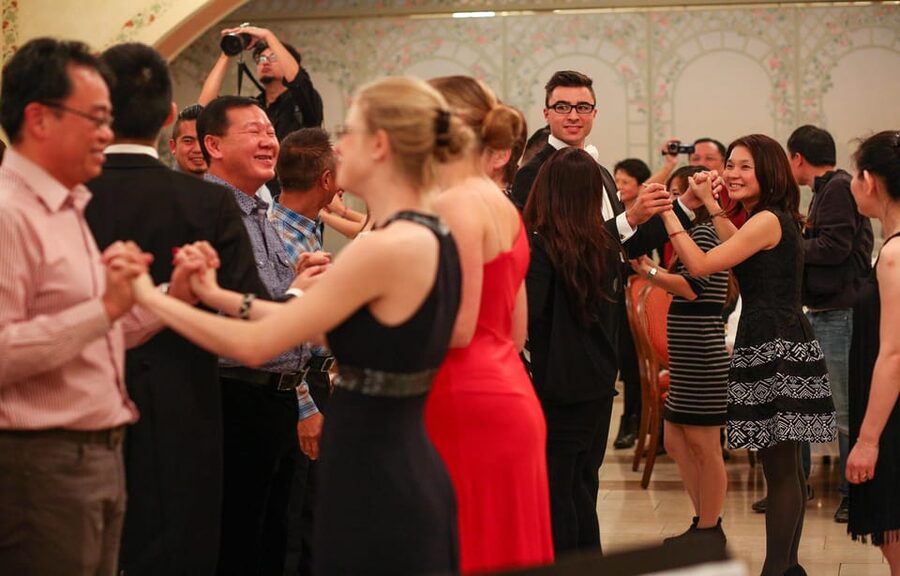
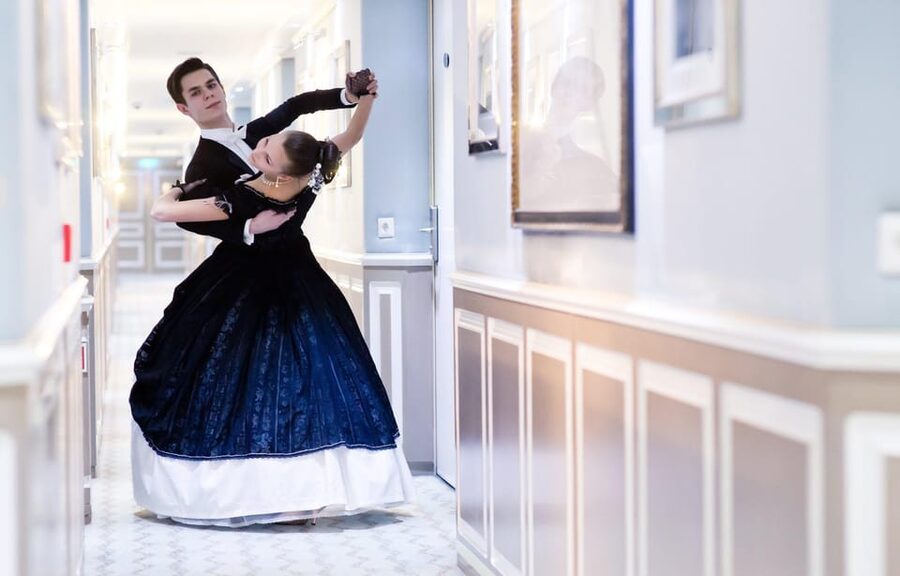
The Viennese Waltz is not just a set of quick turns. In Vienna, it connects to the city’s festive season, New Year celebrations, and formal ball tradition. At midnight on New Year’s Eve, people of all ages welcome the year with the Blue Danube Waltz, often dancing with a partner, family member, or friend.
That context gives this workshop more purpose than a generic beginner dance class. You are learning the movement that appears in one of Vienna’s most recognizable social customs. I like that the class explains the tradition instead of treating the dance as a collection of steps with no local connection.
You should not expect a lecture on every detail of Vienna’s cultural life. The workshop lasts only one hour. Still, the combination of tradition, etiquette, and movement gives you a useful introduction to how formal dancing fits into the city.
If you are visiting around Christmas, New Year, or ball season, the timing feels especially appropriate. If your trip falls at another point in the year, the lesson still gives you a way to understand one of Vienna’s best-known customs.
More New Year's Eve Celebrations in Vienna:
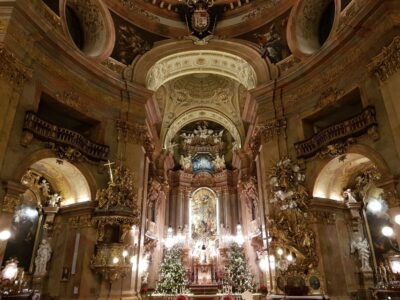
- Vienna: Christmas & New Year’s Concert in St. Peter’s Church
★ 4.6 · 763 reviews - Christmas and New Year Concert at St. Peter’s Church in Vienna
★ 4.5 · 155 reviews - Vienna: Festive Advent, Christmas and New Year concerts
★ 5.0 · 3 reviews
Arriving at the Waltz School
You enter the Waltz School and check in at the reception. The meeting point is also the ending point, so you do not need to plan transportation between separate locations.
Arrive before the scheduled start. Doors open 15 minutes ahead of time, which gives you a short window to check in, put yourself in the right frame of mind, and prepare for class. The doors close on time, and late arrivals may be charged as no-shows. That rule matters more here than it might on a casual walking tour because a late entrance can interrupt a small dance group.
The separate entrance provides a practical benefit: you can go directly to the activity instead of waiting with a larger public crowd. The exact start time depends on availability, so check the schedule carefully when booking.
Wear comfortable clothes that allow easy movement. Comfortable shoes are also important. You do not need to rent special dance shoes or an outfit, and shoe and costume rental are not included. For a one-hour beginner class, ordinary comfortable footwear is the sensible choice.
The first lessons: etiquette before fancy footwork
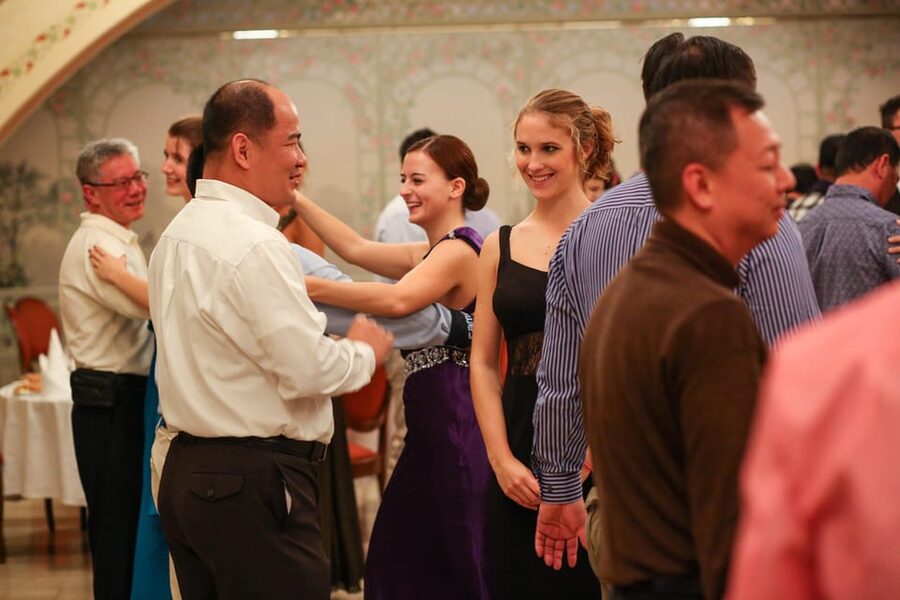
The workshop begins by explaining Viennese ballroom etiquette. That may sound formal, but it is useful. Ballroom dancing involves more than knowing which foot moves first. You need to understand how to share the floor, how to work with a partner, and how to behave in a traditional dance setting.
I like this part because etiquette helps remove awkwardness. Beginners often worry about stepping into someone else’s space, holding the wrong posture, or not knowing what to do when the music changes. A clear introduction gives you a basic social map before the faster movements begin.
The class is intended for mostly beginners and welcomes an international mix of people. That helps create a less intimidating setting than an advanced ballroom course. You may be dancing beside people with different levels of experience, but the stated aim is a safe and friendly community feel.
The instructor teaches in English or German. The directions are meant to be clear and easy to understand, and the instructor demonstrates the movements. Aga is specifically praised for being attentive, patient, precise, and graceful in the way she teaches. Those qualities matter in a dance class, where a small visual correction can make more sense than a long verbal explanation.
Learning the Original Viennese Waltz movements
The main practical section focuses on the most important movements of the Original Viennese Waltz. This is not a full ballroom course, and the short schedule keeps the lesson focused. You work on the basic pattern and build enough familiarity to move with the music.
The word original is useful here. The goal is not simply to shuffle through a modern party version of a waltz. The class presents the Viennese form as part of the city’s ballroom tradition, with its distinctive pace and formal character.
The instructor adjusts the teaching to the group. Music is tailored to meet the needs of the people in the room, which is helpful when the class includes beginners. A group that needs more time with the basic movement can work at a gentler pace. A group that catches on quickly may be able to practice more.
You should set realistic expectations. After one hour, you may understand the basic movement and feel more comfortable trying the dance, but you will not have mastered complex turns or polished ballroom style. If your goal is to prepare for a formal ball, treat this as a useful first lesson rather than a complete training course.
The class also gives you a chance to practice without the pressure of a public ballroom event. A private dance floor and a supportive group make it easier to concentrate on timing and footwork. You can make mistakes, correct them, and keep going.
More holiday workshops in Vienna:
- Salzburg Christmas Cookies and Apple Strudel Cooking Lesson
★ 5.0 · 183 reviews - Flavours of Polish Christmas: 4 course dinner + cooking class
★ 5.0 · 22 reviews - Magical Private Santa Visit, Reindeer Ride & Elf Workshops
★ 4.9 · 8 reviews - Prague: Traditional Czech Christmas Cookie Baking Class
★ 5.0 · 6 reviews
A welcoming setting for solo visitors and couples
The workshop is designed for an international crowd with varied backgrounds. That matters if you are visiting Vienna alone or if your partner is not an experienced dancer. The description emphasizes community rather than a fixed level of expertise, so the atmosphere should feel more open than competitive.
Couples can take the class together and use it as a shared Vienna experience. Solo visitors may appreciate the chance to meet other people through a structured activity. The available information does not promise a specific partner arrangement, so you should not book on the assumption that the school will provide a particular dance partner. The practical point is to arrive ready to take part in a group lesson.
I like the idea of seeing Vienna through a social tradition rather than only through its museums and palaces. A dance class gives you a different kind of contact with the city. It asks you to listen, move, coordinate, and pay attention to the customs that shape formal occasions.
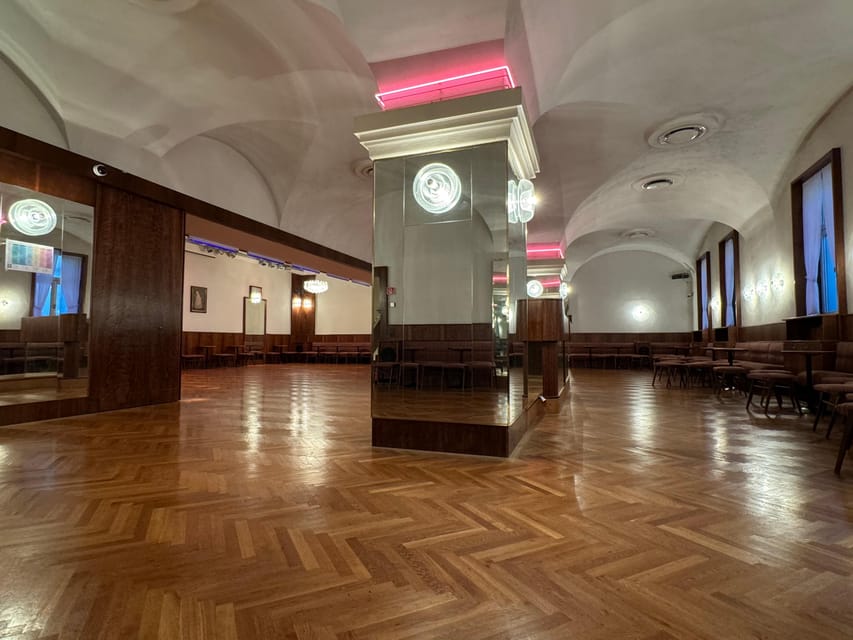
The elegant and spacious dance floor is another plus. You want enough room to practice without feeling boxed in, particularly when learning turns. The setting also helps the experience feel connected to Vienna’s ballroom identity rather than like a quick lesson in a multipurpose room.
How the hour is likely to feel
The short duration keeps the commitment manageable. You can schedule the workshop around sightseeing, a meal, or another seasonal activity. At $45 per person, the price is reasonable if you value an organized introduction to local tradition and want actual instruction rather than a performance to watch.
The value depends on what you want. If you only want a brief, entertaining look at the waltz, the class gives you that without a major time commitment. If you want serious dance training, the price will not buy enough time for advanced technique, and you may prefer a longer course.
The included elements make the fee easier to assess:
- A full one-hour workshop
- Instruction in the Viennese Waltz and ball tradition
- An explanation of ballroom etiquette
- Practice with the key original movements
- A private Waltz Hall
- Music adjusted to the group
- A certified English and German speaking instructor
Drinks and snacks are not included. Neither are rental shoes or outfits. That is not a serious drawback for a one-hour class, but it means you should eat and dress before arriving if you need refreshments or special clothing.
The free cancellation policy gives you some flexibility. You can cancel up to 24 hours in advance for a full refund, and the reserve-now, pay-later option lets you hold a place without paying at the time of booking. Check the exact terms at booking, especially if your schedule may change.
What the strong teaching feedback tells you
The most useful detail about the instruction is the repeated focus on clarity and attention. Aga is described as poised, patient, and precise when demonstrating the steps and answering questions. Those are the traits I want in a beginner dance teacher.
The school and floor are also described as elegant and spacious. That is important because the physical setting can affect how comfortable you feel while learning. A cramped floor makes every mistake feel larger. More room gives you a better chance to practice without bumping into others.
The overall score is 5 from three ratings, which is a very small sample. I would treat that as encouraging but not as proof that every class will feel identical. The more reliable takeaway is that the experience is built around attentive instruction, a pleasant dance space, and a welcoming mood.
The class seems best suited to people who appreciate a teacher-led activity with cultural context. You will get more from it if you ask questions, listen to corrections, and accept that the first few minutes may feel unfamiliar.
Who should book this workshop
I would recommend this experience to:
- First-time visitors who want a cultural activity beyond sightseeing
- Couples looking for a shared Vienna memory
- Solo visitors who enjoy small-group activities
- Beginners curious about ballroom dancing
- People visiting during the festive season or around New Year
- Anyone who wants a basic waltz lesson without committing to a longer course
It is less suitable for anyone seeking advanced dance instruction. The class is also not suitable for children under 10, wheelchair users, or people with pre-existing medical conditions. Those limitations should be taken seriously rather than treated as minor fine print.
You also need to be comfortable with the possibility of learning in a mixed international group. That is part of the appeal, but it means the pace is shaped by the people in the room. The music is tailored to the group, which supports beginners but may not satisfy a dancer looking for a demanding technical session.
Practical advice for getting the most from the class
Wear shoes that feel secure and comfortable. You do not need formal dancewear, and renting an outfit is not part of the experience. Clothing that lets you move freely is the better choice.
Arrive at least 15 minutes early, not at the listed start time. The reception check-in is part of the process, and the doors close on time. Since late arrivals may be treated as no-shows, punctuality protects both your booking and the group’s concentration.
Keep your expectations modest but positive. You can learn the basic movements, understand why the waltz matters in Vienna, and gain confidence on the floor. You should not expect a complete ballroom education in one hour.
If you are visiting during New Year, listen for the Blue Danube in public celebrations after the class. The workshop may make that familiar melody feel more connected to the city. You will understand that the dance is not only a performance tradition. It is also a way people welcome the year together.
Should you book the Vienna Waltz workshop?
Book it if you want a short, well-focused introduction to Vienna’s ballroom culture, especially if you are a beginner. The $45 price is fair for one hour of instruction in a private dance hall, with etiquette, tradition, music, and practical movement all included.
I would be most likely to choose it for a festive-season visit, a New Year trip, or a first attempt at ballroom dancing. The main limits are the brief duration, the lack of food and drink, and the restrictions for children under 10, wheelchair users, and people with pre-existing medical conditions.
For a compact cultural activity with a social feel, this is a sensible choice. Arrive early, wear comfortable shoes, and think of the class as your first step toward dancing the Blue Danube, not as a final exam in Viennese ballroom.
FAQ
How long does the Viennese Waltz workshop last?
The workshop lasts one hour. Starting times vary, so check availability when booking.
What does the workshop teach?
It covers the Viennese ballroom tradition, ballroom etiquette, New Year and festive-season customs, and the most important movements of the Original Viennese Waltz.
Is the class suitable for beginners?
Yes. The workshop is relaxed and easy to understand, and it is intended mainly for beginners with different backgrounds.
What languages does the instructor speak?
Instruction is available in English and German. The activity includes a certified English and German speaking instructor.
What should I wear and bring?
Bring comfortable shoes and comfortable clothes. Shoe and outfit rental are not included.
Where does the activity start and end?
You check in at the reception inside the Waltz School. The activity ends back at the same meeting point.
Can I cancel the booking?
You can cancel up to 24 hours in advance for a full refund. A reserve-now, pay-later option is also available.
New this season in Vienna
- Wien: Tour with locals on the trails of the Christmas Tree★ 4.6 · 7 reviews
- Christmas Walk Vienna : 5 Markets & Old Town in 3h (EN/DE)★ 5.0 · 4 reviews
- Vienna Guided Christmas Market Food and Drink Tour★ 5.0 · 10 reviews
- Salzburg Christmas Markets Day Trip from Vienna★ 5.0 · 4 reviews
- Small-Group Christmas Day Trip to Hallstatt from Vienna★ 5.0 · 5 reviews
- Vienna: Festive Advent, Christmas and New Year concerts★ 5.0 · 3 reviews
- Christmas at Belvedere: 3hr Private Tour of Upper Palace & Market★ 5.0 · 4 reviews
- Christmas in Vienna – Private Walking Tour with Glühwein Mug★ 4.5 · 4 reviews
Vienna Christmas Tours, side by side.
Vienna: Christmas & New Year’s Concert in St. Peter’s Church
Read our review →
Vienna: Christmas Photoshoot with a Pro Photographer
Read our review →


This tour also sits in